-
New quest
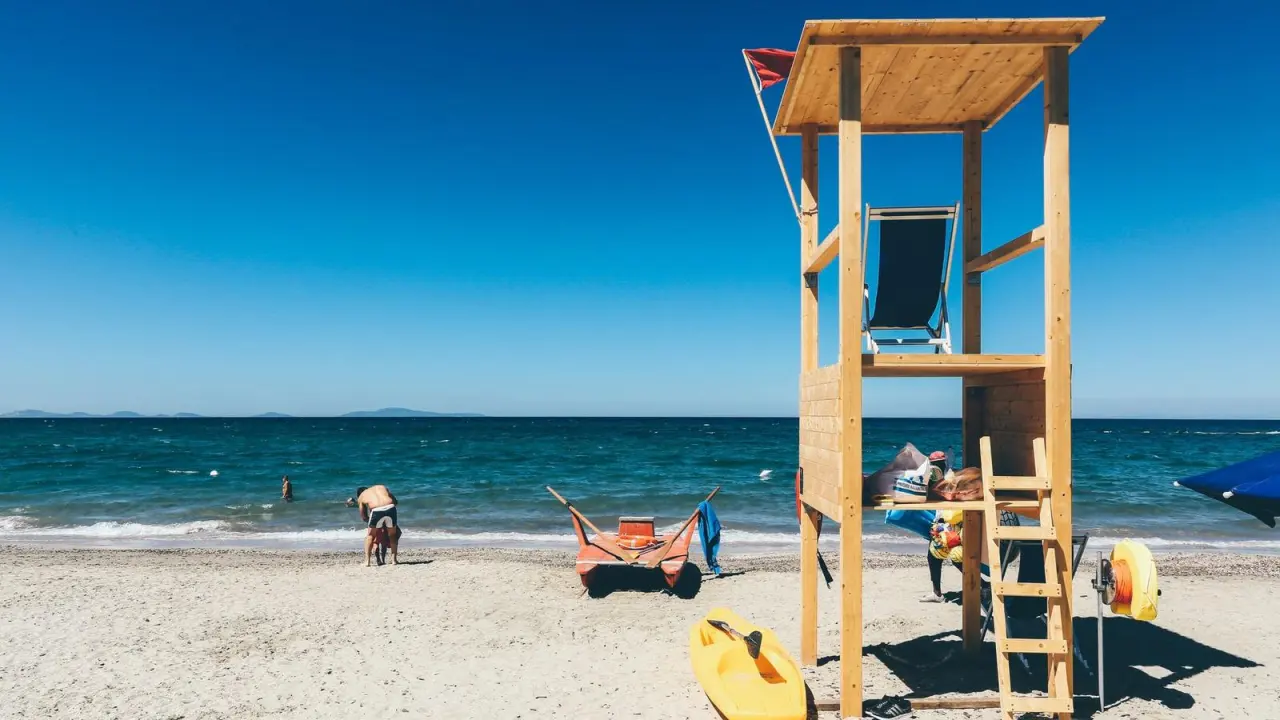
Water Safety Tips for Pools, Beaches, Lakes and Rivers
Read the entry: Water Safety Tips for Pools, Beaches, Lakes and RiversA practical guide to water safety tips for home, pool, beach, lake, river and boat, built on supervision, barriers, life jackets and knowing the water before you get in.
Top Picks
 Water Safety Tips for Pools, Beaches, Lakes and Rivers
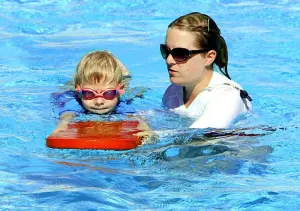 When to Start Swim Lessons: What Research Suggests
 Water Safety for Autistic Children and Wandering Risks
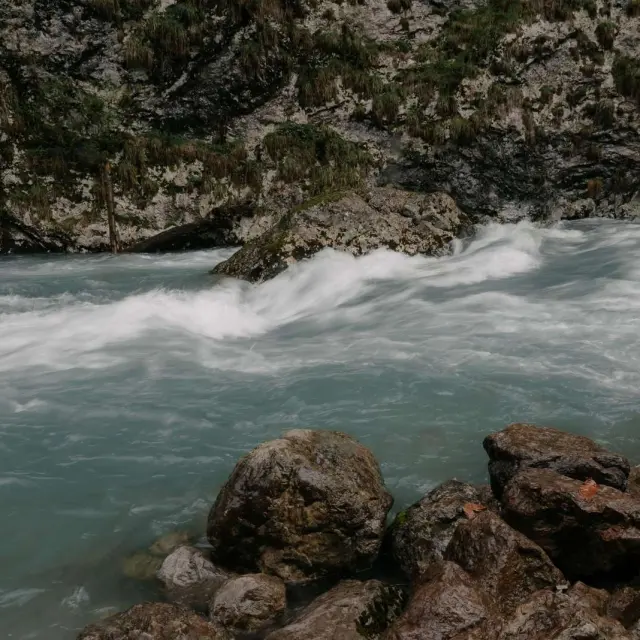
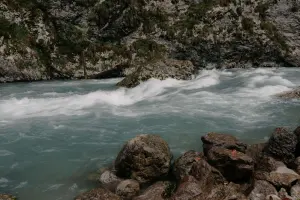 River Swimming Risks: Currents, Debris and Cold Water
 Water Safety Education in Schools: Common Approaches
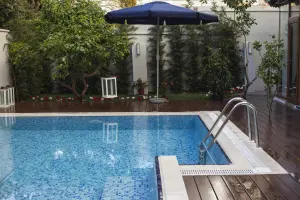 Preventing Toddler Drownings: Common Hazards at Home
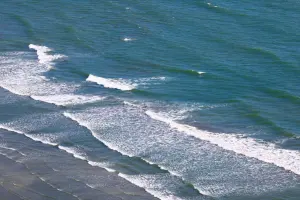 Rip Currents Explained: How to Recognize and Respond
 Pool Fences and Barriers: How Requirements Work
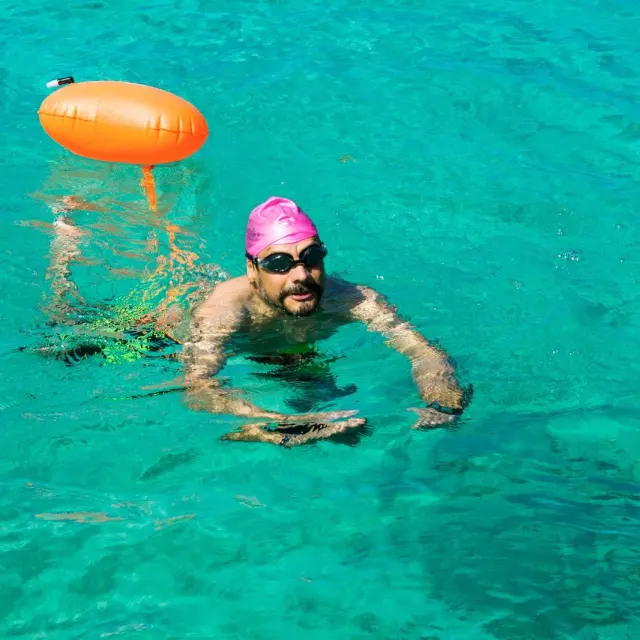
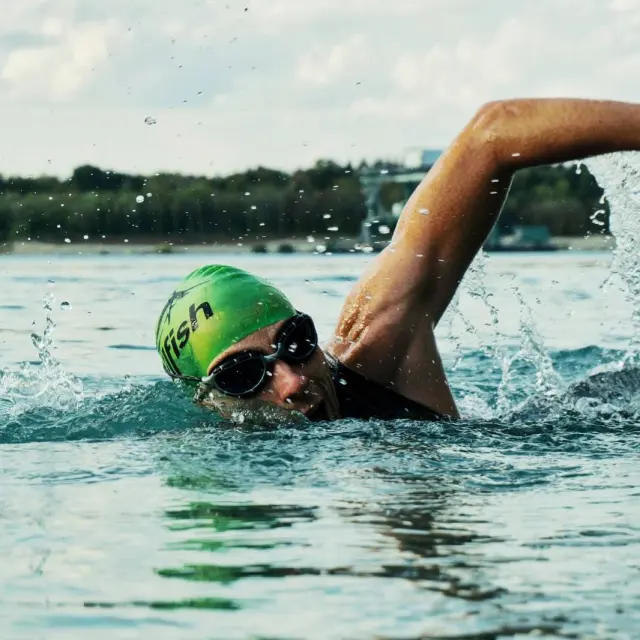
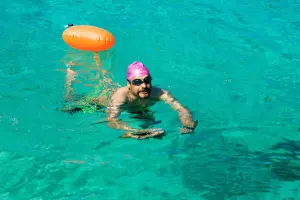 Open Water Swimming: Practical Safety Guidance
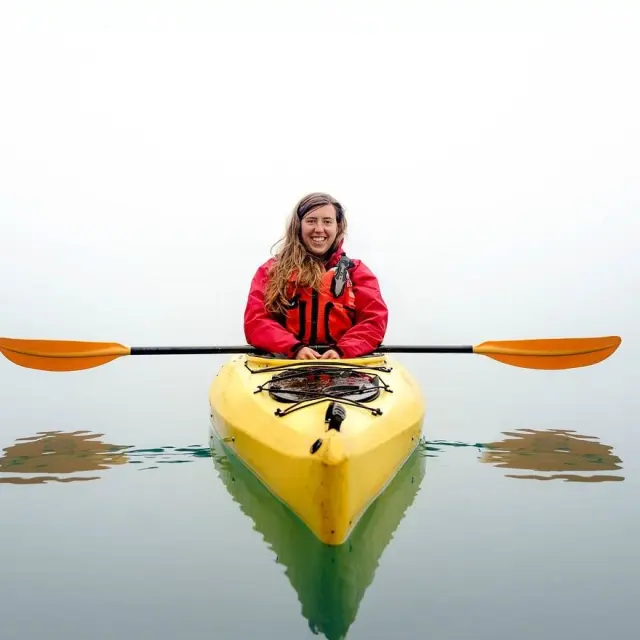
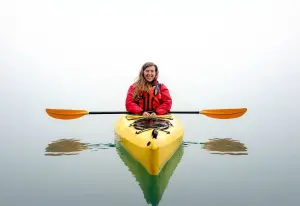 Kayaking Safety: Preparation, Gear and Conditions
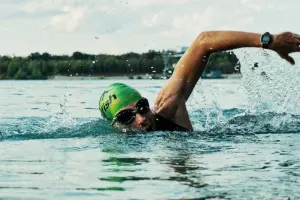 Swimming in Lakes: Hazards and Precautions
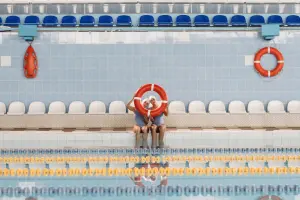 Drowning Prevention: A Plain-Language Overview
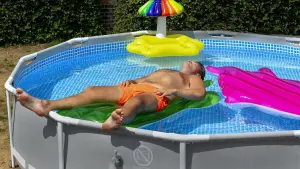 Inflatable and Kiddie Pool Safety Tips
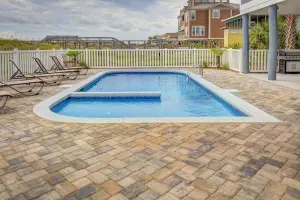 Layers of Protection for a Backyard Pool
 The Science of How Drowning Happens
 Drowning Statistics: What the Data Shows
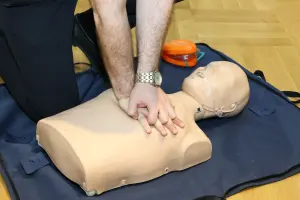 CPR After Drowning: Why Rescue Breaths Matter
 Floating to Survive: A Basic Water Survival Skill
 Cold Water Shock: What Happens and Why It Matters
 Active Supervision Near Water and the Water Watcher Idea
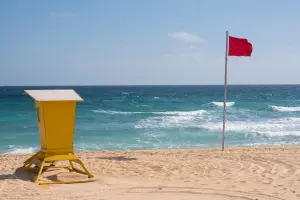 What Beach Warning Flags Mean
 Bath Time Safety for Babies and Young Children
 Arm Floaties vs. Life Jackets for Children
 Life Jackets and Boating Safety Essentials
-
When to Start Swim Lessons: What Research Suggests
Research links swim lessons to benefits from around age 1, but each child differs. Learn how the AAP’s position changed, what to look for in a program, and why lessons are only one layer of protection.

-
Water Safety for Autistic Children and Wandering Risks
Wandering and water are closely linked for autistic children. Learn the risk data, the highest-risk groups and times, layered home and supervision steps, and what to do if a child goes missing.
-
Preventing Toddler Drownings: Common Hazards at Home
A plain-language look at everyday water hazards at home and the layered steps hospital guidance recommends to protect toddlers.
-
Pool Fences and Barriers: How Requirements Work
A plain-language look at pool fence requirements: typical barrier heights, openings, gates and covers, and why local building code decides what applies to your pool.
-
Layers of Protection for a Backyard Pool
No barrier is truly childproof, so protecting a backyard pool means layering a fence, gate, alarms, cover and adult supervision. Here is what the CPSC guidance says about each layer.
-
Inflatable and Kiddie Pool Safety Tips
A plain-language guide to inflatable and kiddie pool safety, drawing on CPSC and American Academy of Pediatrics guidance: emptying, fencing, covers, alarms and supervision.
-
Active Supervision Near Water and the Water Watcher Idea
A plain-language look at active supervision near water, how a designated water watcher works, how close to stay at each age, and why supervision is only one layer of protection.


Bestiary
-
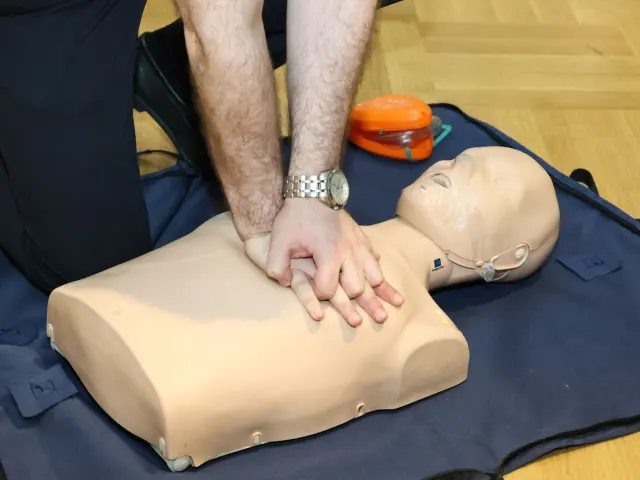
CPR After Drowning: Why Rescue Breaths Matter
Drowning usually starts with low oxygen, so the AHA and AAP’s November 2024 update says CPR should include rescue breaths as well as chest compressions. Here is what the guidance says and why.
-
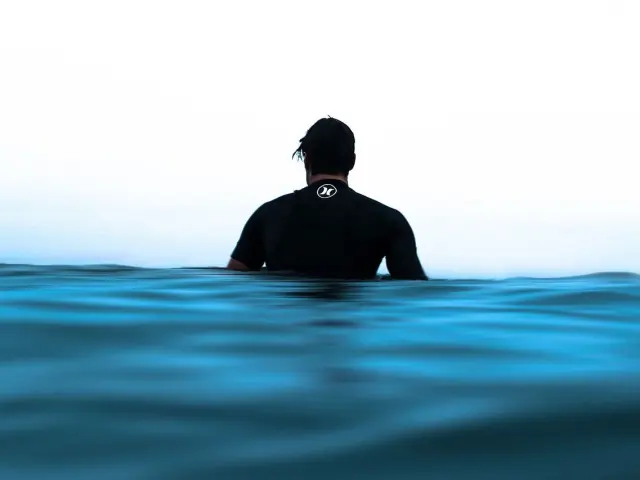
Floating to Survive: A Basic Water Survival Skill
Falling into cold water triggers a gasp and panic. This guide explains the float to survive technique, why it works, and what the research says.
-
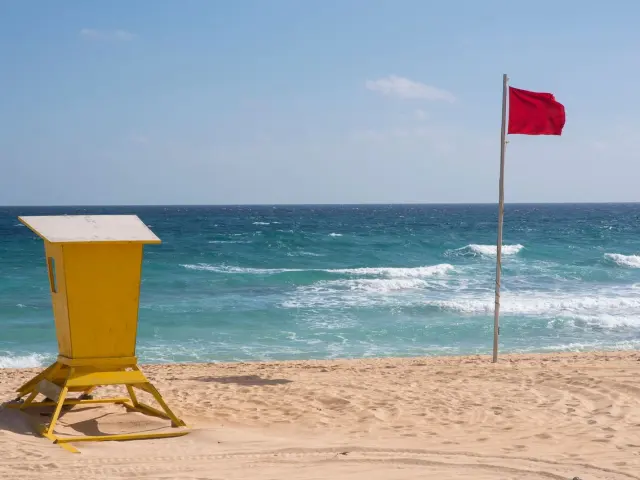
What Beach Warning Flags Mean
Yellow, red, double red, purple and more: a plain guide to the beach flag warning system, where it comes from, and what to do when no flag is flying.
Seek an entry
Every tale in the journal can be found by name. Type a word and the pages will open.