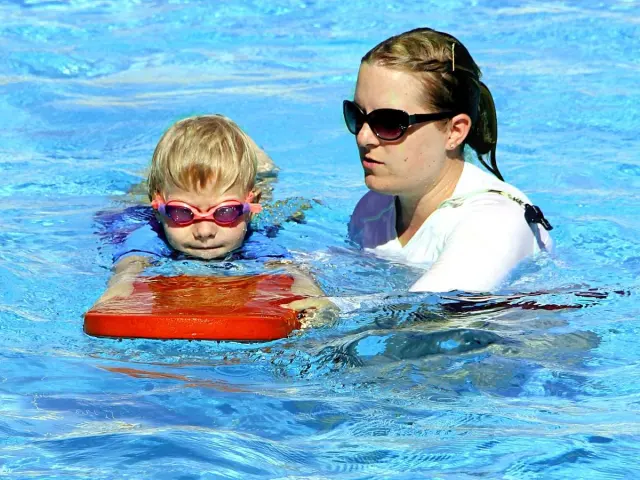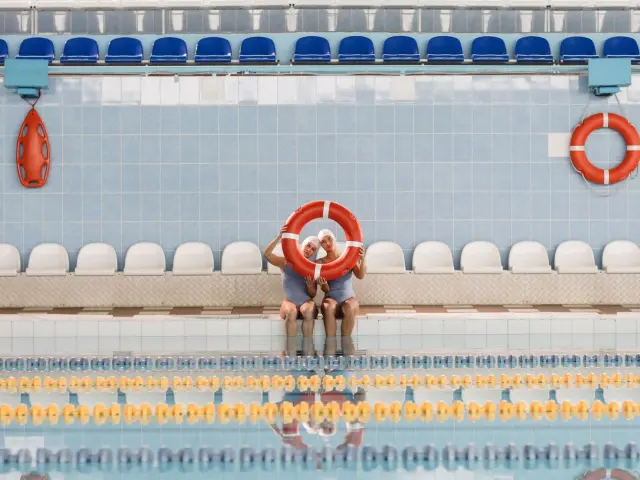

You may be wondering what water safety education for schools covers. A Sri Lanka programme, for example, teaches swimming, floating, danger awareness and basic emergency response.
This page sits within the wider topic of drowning prevention, which looks at the risks and safeguards around water more broadly.
| Item | Value |
|---|---|
| “Swim for Safety” programmes run by WHO and Sri Lanka Life Saving | 12 programmes |
| School children trained in swimming and water safety skills | 375 children |
| Estimated beneficiaries reached on water safety knowledge | 1125 (estimate) |
| Age-adjusted drowning death rate in Sri Lanka (GHE 2019) | 3.2 per 100 000 population |
| Rank of drowning among causes of death, ages 5-14 in Sri Lanka | 6th leading cause |
| Publication year of the WHO guideline on day-care and basic swimming and water safety skills | 2021 |
The figures come from the WHO Sri Lanka feature story of 25 July 2022 and the WHO guideline published in 2021. Figures can change, so check the source before you rely on them.
What a school water safety programme can cover
Water safety education is broader than swimming lessons. In the Sri Lanka programme described by WHO, children were trained in swimming skills, dangers in and around water, how to float, basic emergency response techniques and survival swimming techniques.
The stated objectives of that programme give a useful picture of the building blocks:
- Training children to be basic swimmers, with a much-needed focus on water safety.
- Teaching the safety measures needed before swimming.
- Developing the basic skills needed to attend to a person who has drowned.
- Teaching cardiopulmonary resuscitation (CPR) and basic first aid.
Other school programmes may mix these elements differently. This page describes only what the cited sources report, so treat it as a worked example rather than a template.
A worked example: Swim for Safety in Sri Lanka
WHO, in partnership with Sri Lanka Life Saving, ran twelve Swim for Safety programmes in the Southern, Western and Sabaragamuwa provinces, according to a feature story dated 25 July 2022. The children came from districts that had recorded high rates of drowning in the preceding years.
In total, 375 school children were trained. WHO estimates that the programme reached 1125 beneficiaries with water safety and drowning prevention knowledge.
Delivery was not simple. The COVID-19 pandemic made it challenging to complete the programmes as scheduled, but WHO reports that all of them were finished while following health and safety measures.
Why programmes focus on school-age children
The Sri Lanka feature story points to national data as its rationale. It cites the Global Health Estimates for 2019, which put the age-adjusted drowning death rate in Sri Lanka at 3.2 per 100 000 population.
The same story describes where drowning sits among causes of death for young people:
- Among ages 5-29, drowning was among the 10 leading causes of death.
- Among ages 15-29, it was as high as the third cause of death.
- Among ages 5-14, it was the 6th leading cause of death.
WHO’s Sri Lanka office also states that lack of swimming skills across age groups has been identified as a major contributory factor for drowning there. These are figures for a single country, so they do not describe every school or region.
The story adds that learning to swim and to be safe in water should reach school children irrespective of location and socioeconomic status. It also notes that the ability to swim opens access to water-based recreation and competition, which contribute positively to health and wellbeing.
How the WHO guideline frames swim skills and day-care
In 2021, WHO published a guideline on preventing drowning through day-care and basic swimming and water safety skills. Its contents include separate sections on basic swim skills and water safety training, on the provision of day-care, and on research gaps.
The guideline also has a section on dissemination, implementation and evaluation. The excerpt used for this page does not reproduce the recommendations themselves, so read the full document before you quote what it advises.
Its glossary defines terms that matter for younger children:
- Formal day-care: structured arrangements ensured by trained and capable individuals or organisations, other than a child’s guardians, so that supervision is assured and the child’s needs are attended to during the day.
- Pre-school programmes: educational programmes that combine learning and play, designed for children prior to starting primary school.
If you are weighing timing for younger children, the guide on what age should kids start swim lessons looks at that question separately.
Questions to ask when reading about any school programme
Sources describing school programmes rarely look alike, so a few plain questions help you compare them fairly.
- Does it teach more than strokes? The Sri Lanka objectives put water safety alongside swimming.
- Does it include emergency response, CPR and basic first aid for the children being trained?
- Who was it designed for? The Sri Lanka programme drew on districts with high rates of drowning.
- Could it be delivered under real constraints? That programme was completed during the COVID-19 pandemic.
- Is there evidence behind it? The WHO guideline includes sections on evaluation and research gaps for exactly this reason.
Knowing what an emergency looks like is a separate skill from swimming. The guide to signs of drowning covers it.
Frequently asked questions
Does water safety education only teach children to swim?
Show answer
No. In the Sri Lanka example, children also learned about dangers in and around water, floating, basic emergency response, CPR and basic first aid, as reported by WHO on 25 July 2022.
Who ran the Swim for Safety programmes in Sri Lanka?
Show answer
WHO ran them in partnership with Sri Lanka Life Saving, according to the 25 July 2022 feature story.
What does the WHO guideline from 2021 cover?
Show answer
Its title covers the prevention of drowning through provision of day-care and basic swimming and water safety skills. Its contents list sections on both topics, plus research gaps and implementation.
What counts as formal day-care in the WHO glossary?
Show answer
It is a structured arrangement run by trained and capable individuals or organisations, other than a child’s guardians, so that supervision is assured and the child’s needs are attended to during the day.