Worried about water around your family? Drowning prevention comes down to layers: barriers, close supervision, swimming and water safety skills, and rescue know-how. This guide explains each in plain language.
| Key fact | Value |
|---|---|
| Annual drowning deaths worldwide | Around 300 000 per year |
| Share of drowning deaths in low- and middle-income countries | 92% |
| Children under 5 years | Nearly a quarter of all drowning deaths |
| Share of drowning deaths among people aged 0-29 years | 57% |
| Fall in the global drowning death rate since 2000 | 38% (from 6.1 to 3.8 per 100 000 population) |
| World Drowning Prevention Day | 25 July |
These figures come from the WHO drowning fact sheet (1 May 2026 update) and the WHO World Drowning Prevention Day 2026 page. Figures can change, so check the source before you rely on them.
What is drowning, and how big is the problem?
The World Health Organization (WHO) defines drowning as the process of experiencing respiratory impairment from submersion or immersion in liquid. Outcomes are classified as death, morbidity and no morbidity, so drowning is not always fatal (WHO fact sheet). A companion guide answers the question how does drowning happen step by step.
As of WHO’s fact sheet dated 1 May 2026, there are around 300 000 annual drowning deaths worldwide. Children under 5 years account for nearly a quarter of them, and drowning is the fourth leading cause of death for children aged 1-4 years and the third for children aged 5-14 years (WHO fact sheet). The page on drowning statistics sets out more of the numbers.
The burden is uneven. According to the WHO fact sheet, 92% of deaths occur in low- and middle-income countries, where death rates are more than three times higher than in high-income countries. Since 2000 the global rate has fallen by 38%, from 6.1 to 3.8 per 100 000 population, yet WHO still calls drowning a preventable public health crisis.
Why older and newer figures differ
WHO’s first global drowning report, published on 17 November 2014, put the toll at 372 000 deaths a year, according to the WHO news release. It also warned that drowning may be considerably underestimated, because official data do not include drowning from suicide, homicide, flood disasters or incidents such as ferry capsizes.
WHO’s Global status report on drowning prevention, published on 13 December 2024, was designed as a benchmark for tracking progress at global, regional and national levels (WHO publication page).
Who is most at risk?
Drowning touches every region, but not evenly. The WHO fact sheet names several risk factors, listed below.
- Age. Children and young adults aged 0-29 years account for over half (57%) of drowning deaths, and the highest rates per population are among children aged 0-4 years (WHO fact sheet).
- Sex. The drowning death rate among males is more than twice as high as among females. Studies suggest the gap reflects more exposure to water and riskier behaviour such as swimming alone, drinking alcohol before swimming alone and boating.
- Poverty and inequality. Drowning disproportionately affects poor and marginalized people, including those who use ponds, rivers or lakes for bathing and washing, or open wells for collecting water.
- Work. Commercial and subsistence fishing carry a substantially higher risk, and the United Nations Food and Agriculture Organization estimates that more than 32 000 fishers die while working every year (WHO fact sheet).
- Climate. Drowning accounts for 75% of deaths in flood disasters, and heatwaves increase risk because more people seek water for heat relief and stay in or on it for longer (WHO fact sheet).
- Transport on water. In many low- and middle-income countries, water transport is significantly less regulated than in high-income countries, and daily commuting can take place on overcrowded vessels.
- Migration. People who migrate through irregular channels may cross large expanses of water in unsafe vessels that lack safety equipment.
Young children face a particular problem. WHO says they are at high risk because of an underdeveloped ability to assess risk and a lack of swimming and water safety skills. Older adults also have distinct risks, such as reduced physical ability, mobility limitations and pre-existing medical conditions (WHO Western Pacific).
A regional picture
Over half of the world’s drowning occurs in the WHO Western Pacific Region and the WHO South-East Asia Region, per the WHO fact sheet. In 2021, more than 84 000 people drowned in the Western Pacific Region, nearly 30% of the world’s drowning deaths, and the highest rate there was among people aged 70 years or older at 13.7 deaths per 100 000 population (WHO Western Pacific).
In the Eastern Mediterranean Region, 12% (35 000) of the estimated 300 000 global deaths in 2021 occurred. The same WHO regional office page says the region has the highest drowning death rate among children aged 0-4 of all WHO regions.
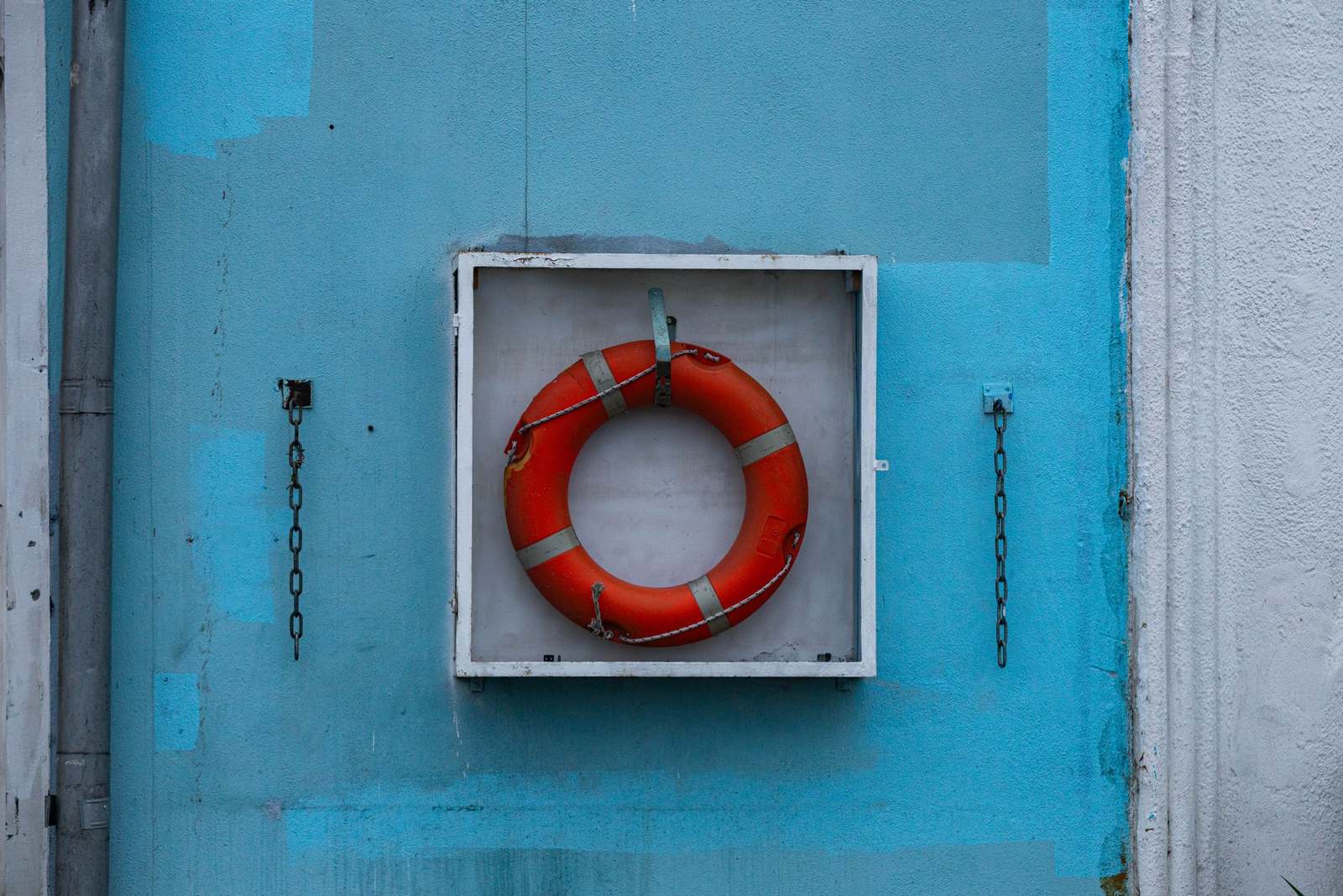
Layers of drowning prevention at home and in the community
No single step removes the risk. WHO’s account of Thailand’s progress makes the same point: no single intervention did the work, and thousands of small ones did (WHO campaign page). The layers below are the ones WHO’s sources return to most.
Control access to water
The most direct layer is physical. WHO’s 2014 news release adds that drowning occurs in bathtubs, buckets, ponds, rivers, ditches and pools as people go about daily life (WHO news release).
Keep watch
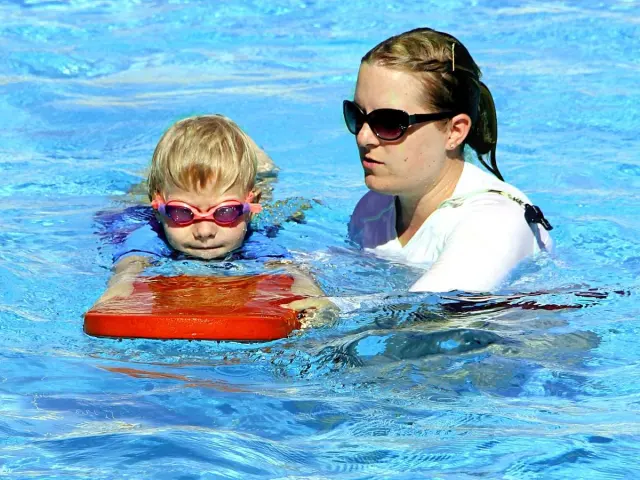
The WHO fact sheet says the risk of drowning increases when children interact with water outside of active adult supervision. It also says community-based, supervised childcare for pre-school children can reduce drowning risk and has other proven health benefits. Practical advice for families sits in the hub on child water safety.
Teach swimming and water safety skills
WHO lists teaching school-age children basic swimming, water safety and safe rescue skills as another approach. It attaches a firm condition: the work must emphasise safety, with overall risk management that includes the following (WHO fact sheet).
- A safety-tested curriculum.
- A safe training area.
- Screening and student selection.
- Student-instructor ratios established for safety.
Parents often ask what age should kids start swim lessons, and that question has its own guide. Teachers can read about water safety education for schools, and one commonly taught skill is explained in the guide to the float to survive technique.
Learn safe rescue and resuscitation
Bystanders matter too. WHO’s 2014 release lists training bystanders in safe rescue and resuscitation as a community strategy (WHO news release). The guide to reach throw don’t go rescue covers a bystander approach to rescue, and a separate page explains cpr for drowning victims.
Wear a lifejacket on boats and at work
For people who work on or travel across water, WHO’s campaign page advises that workers always wear a lifejacket, insist on safety training and access to safety equipment, and report unsafe working conditions (WHO campaign page). For everyday habits, the hub on water safety tips is a practical next stop.
How communities and governments reduce drowning
The 2014 WHO global report outlines 10 evidence-based, cost-effective and scalable actions, adaptable to local contexts (WHO Western Pacific). The 2014 news release groups the strategies by level. For local communities, they include:
- Installing barriers to control access to water.
- Providing safe places such as day care centres for children.
- Teaching children basic swimming skills.
- Training bystanders in safe rescue and resuscitation.
At national level, the same release names improved boating, shipping and ferry regulations, better flood risk management and comprehensive water safety policies. WHO’s campaign page also points to a technical package, Seven strategies to prevent drowning: technical package for policy-makers (WHO campaign page).
The Global Strategy for Drowning Prevention sets a goal to reduce drowning by 35% by 2035. In 2021 the United Nations General Assembly recognized drowning prevention as a global priority and declared 25 July as World Drowning Prevention Day, according to the same WHO campaign page.
One country’s example
WHO’s 2026 campaign page describes Thailand as a neutral example of what combined effort can do. In 2006, drowning was the leading cause of death for children under 15 years there, claiming around 1500 lives every year, and many of the youngest victims drowned in household buckets rather than rivers.
Communities began identifying dangerous water bodies and fencing them, families learned CPR, and children got swim lessons. More than 5000 community teams formed across every province, and by 2022 child drowning deaths were down by 57% (WHO campaign page).
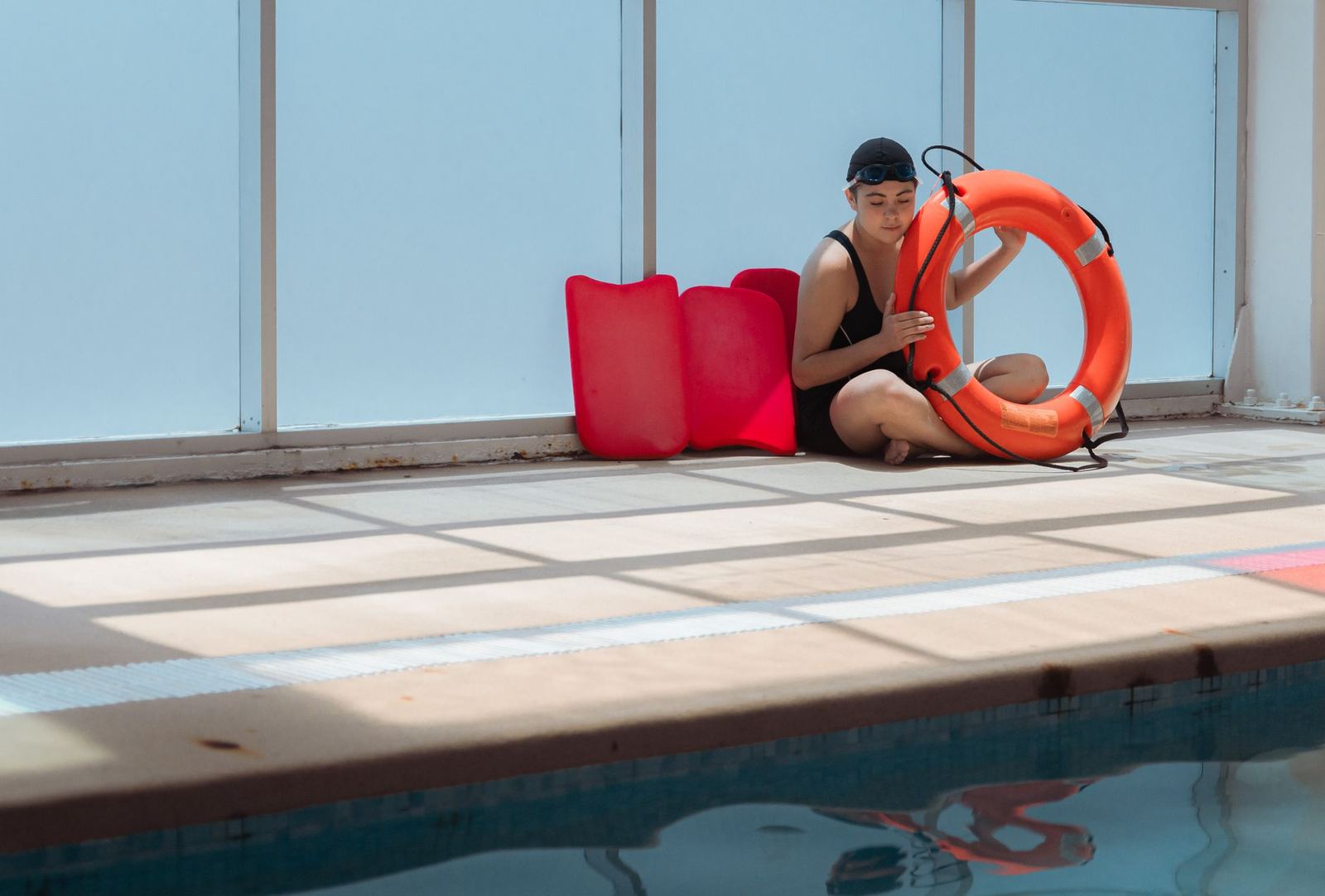
Where you fit in
The theme of World Drowning Prevention Day 2026 is “Unite to turn the tide”, and WHO assigns a role to each group (WHO campaign page).
- Parents and caregivers: supervise children closely near any water, fence pools, cover household water sources, teach swimming and water safety, and learn CPR and safe rescue.
- Schools and educators: bring water safety into curriculums, share information and connect families with practical resources.
- Workers around water: wear a lifejacket and insist on safety training and equipment.
- Employers and operators: provide safety training and equipment, and identify and respond to safety risks.
- Community leaders: map local water risks, run community swim and rescue training, and establish or strengthen flood warning systems.
- Policymakers and regulators: pass laws that keep people safe around water, fund proven interventions and coordinate across sectors.
Prevention also means noticing trouble early, and the guide to the signs of drowning addresses that. Readers who have heard the term can find a plain-language explanation in the guide to dry drowning.
Frequently asked questions
How many people drown each year?
Show answer
Roughly 300 000 people a year. The WHO campaign page expresses the same toll as 30 every hour, with almost a quarter of those who die being children under five.
Who is most at risk of drowning?
Show answer
Children are, with the highest rates per population among those aged 0-4 years, and the death rate among males is more than twice as high as among females, according to the WHO fact sheet. Risk also rises with poverty, work on the water, floods and unregulated water transport.
Does fencing a pool or covering a well help?
Show answer
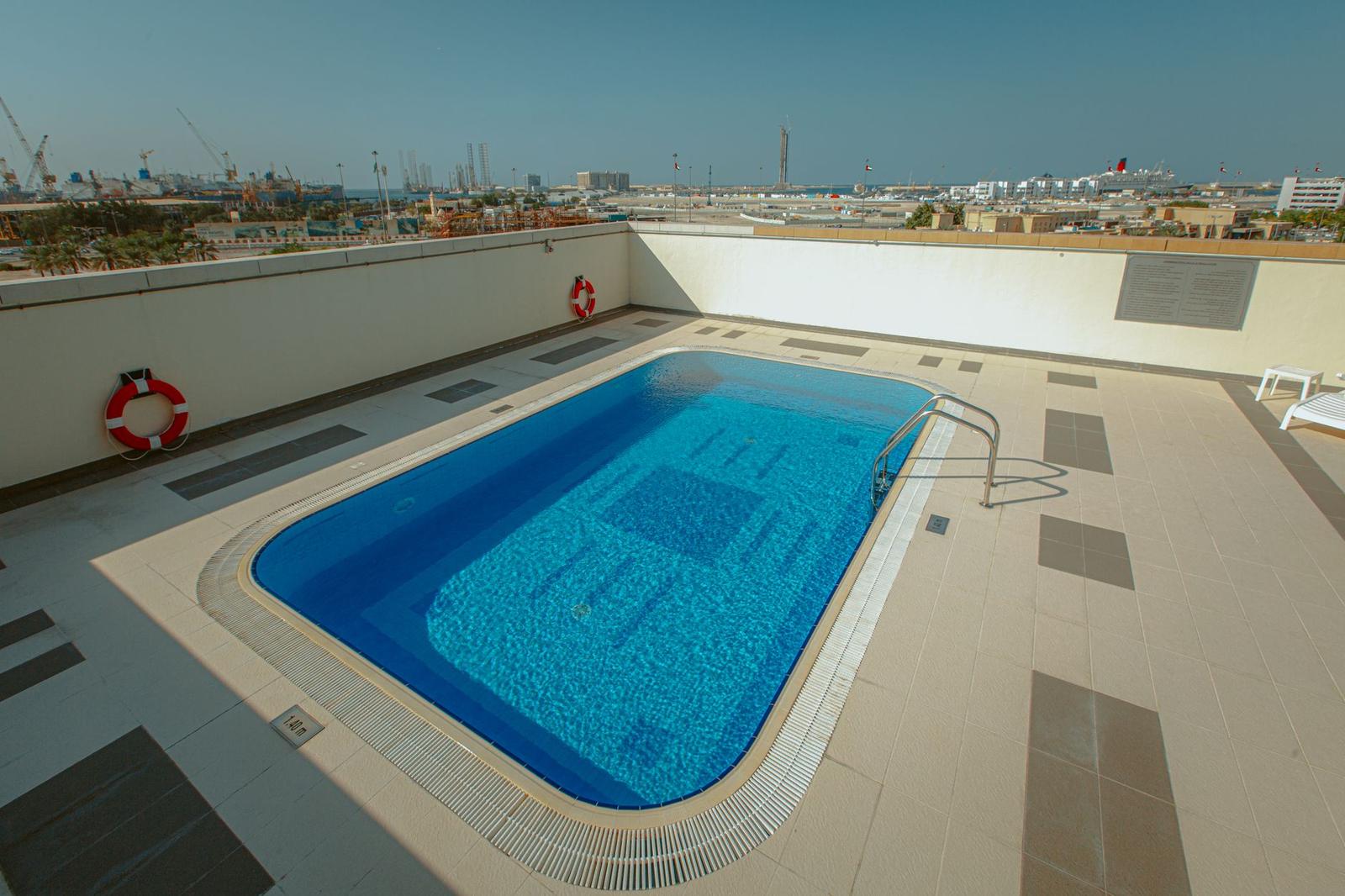
Yes. WHO’s fact sheet treats physical access control, including well covers, pool fences, doorway barriers and playpens, as a strong way to cut exposure to water hazards (WHO fact sheet). It works best alongside supervision and skills.
Is teaching children to swim enough on its own?
Show answer
WHO treats swimming and water safety lessons as one approach among several, and asks that they come with a safe training area and set student-instructor ratios. Its Thailand example stresses that many small actions, not one intervention, brought deaths down (WHO campaign page).
When is World Drowning Prevention Day?
Show answer
It falls on 25 July. The United Nations General Assembly declared the day in 2021, and the 2026 theme is “Unite to turn the tide” (WHO campaign page).