
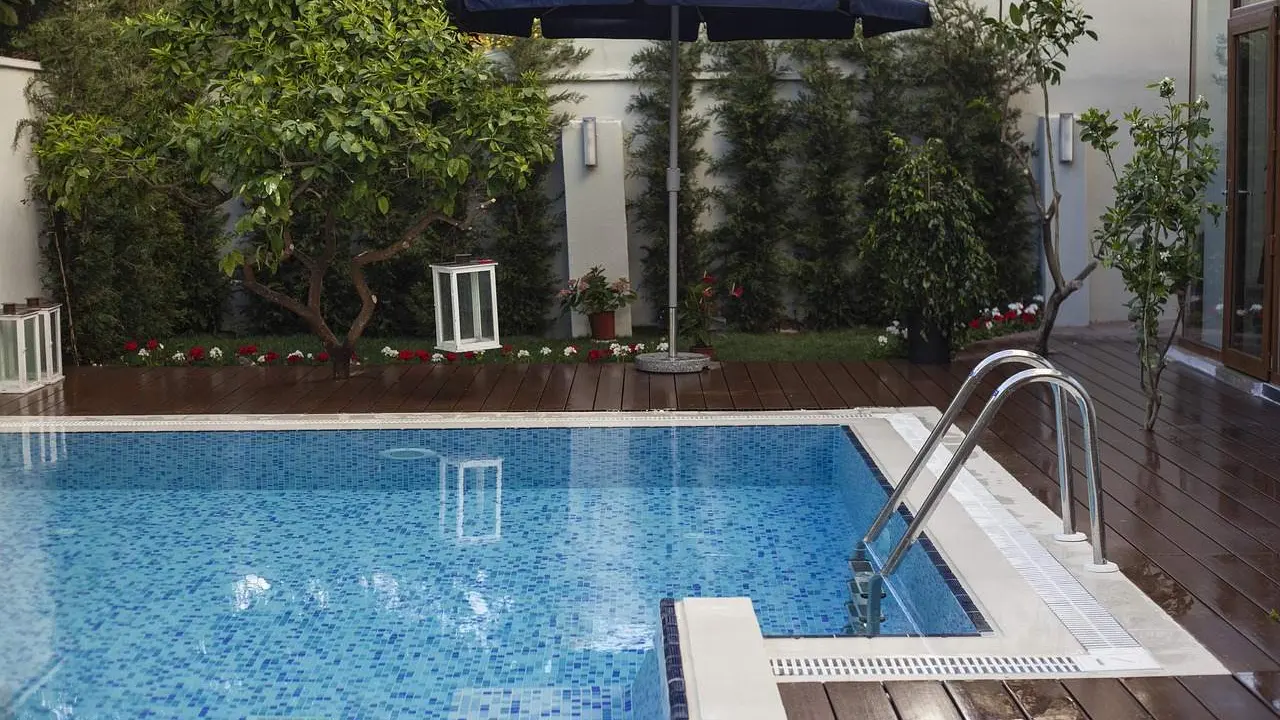
Worried about the water in your home? Toddler drowning prevention comes down to staying within arm’s reach, emptying containers after use and keeping bathroom doors closed.
For the wider picture, see the guide to child water safety.
| Key fact | Value |
|---|---|
| Water depth in which a child can drown | 1 inch |
| Time submerged before a child loses consciousness | two minutes |
| Time after which brain damage can occur | within five minutes |
| Minimum pool fence height | 48 inches |
| Maximum spacing between fence slats | 4 inches |
| Children younger than 5 who were not expected to be in the pool | 69% |
These figures come from Children’s Hospital of Philadelphia and Stanford Medicine Children’s Health. Guidance can change, so check the source before you rely on them.
Why are toddlers at risk around water at home?
Drowning is the leading cause of injury-related death among children between 1 and 4 years old, according to Children’s Hospital of Philadelphia (CHOP). It often happens silently when an unsupervised child is near water, and it takes only seconds.
Depth matters less than many parents expect. Children can drown in just 1 inch of water, such as in buckets, bath tubs, wading pools, diaper pails and toilets, as the same CHOP page explains.
Time is short, too. A child submerged for two minutes loses consciousness, and brain damage can occur within five minutes, CHOP reports.
Planning matters because toddlers turn up where nobody expects them. Stanford Medicine Children’s Health cites an American Academy of Pediatrics figure that 69% of children younger than 5 years were not expected to be in the pool. Barriers and closed doors therefore matter as much as watching closely.
Bathroom hazards: tubs, toilets and buckets
The bathroom holds several water sources a toddler can reach in seconds. Stanford Medicine Children’s Health advises you to stay within arm’s reach of your child whenever he or she is in or near the bathtub, toilet, pools, spas or buckets.
Habits that reduce risk in the bathroom include:
- Draining the tub immediately once bath time is over.
- Keeping toilet lids closed and using toilet seat locks.
- Keeping the doors to bathrooms and laundry rooms closed.
- Never leaving your child alone, or in the care of older children, during bath time.
Bath seats and rings can give a false sense of security. The same Stanford guidance says a baby bath seat must be attached to the side of the tub with a locking arm, and that bath rings with suction cups do not meet U.S. safety standards.
Supervision still comes first. A seat or ring is never a reason to step away, even for a moment.
Other water hazards in and around the house
Hazards extend well beyond the bathroom. CHOP lists these household hazards for small children:
- Buckets, especially the 5-gallon size, and diaper pails.
- Toilets and ice chests with melted ice.
- Hot tubs, spas and whirlpools.
- Ditches, post holes and wells.
- Ponds and fountains.
The source for that list is the CHOP water safety page. A walk through the house and yard with this list in hand is a simple way to spot what applies to you.
Containers are the easiest fix. Stanford Medicine Children’s Health recommends emptying all buckets, containers and wading pools immediately after use, then storing them upside-down and out of children’s reach. CHOP adds that blow-up pools should be emptied after each use and put away.
If you have a pool, Stanford also suggests removing doggy doors and pet entrances so a child cannot slip out to outside spaces unnoticed.
Pool and hot tub layers of protection
No single measure is enough, so safety guidance stacks several. The first layer is four-sided fencing that separates the pool from the house and play area, and CHOP notes that the wall of the house should not count as one side.
CHOP’s fence specification asks for a height of at least 48 inches and no more than 4 inches between slats, as set out on its water safety page. The gate should be self-closing and self-latching, with latches above a child’s reach, and it should open away from the pool. Rules differ by place, and the guide to pool fence requirements covers the topic in more depth.
Other layers add protection when used with a fence. These are the devices the sources mention:
- Door or window alarms that warn you if a child wanders toward the pool area, per Stanford Medicine Children’s Health.
- Pool alarms and gate alarms.
- Automatic pool covers that cover the pool completely, with no standing water on the cover.
- Hot tub covers that are locked when the tub is not in use.
Fences and alarms support people; they do not replace them. Stanford recommends actively supervising children around water at all times by assigning a water watcher, with a phone nearby to call for help. The approach is explained further in the guide to active supervision water watcher roles.
Stanford also says touch supervision is required any time a child is in the water, so a parent should be in the water too.
Floaties, swim lessons and CPR: what they can and cannot do
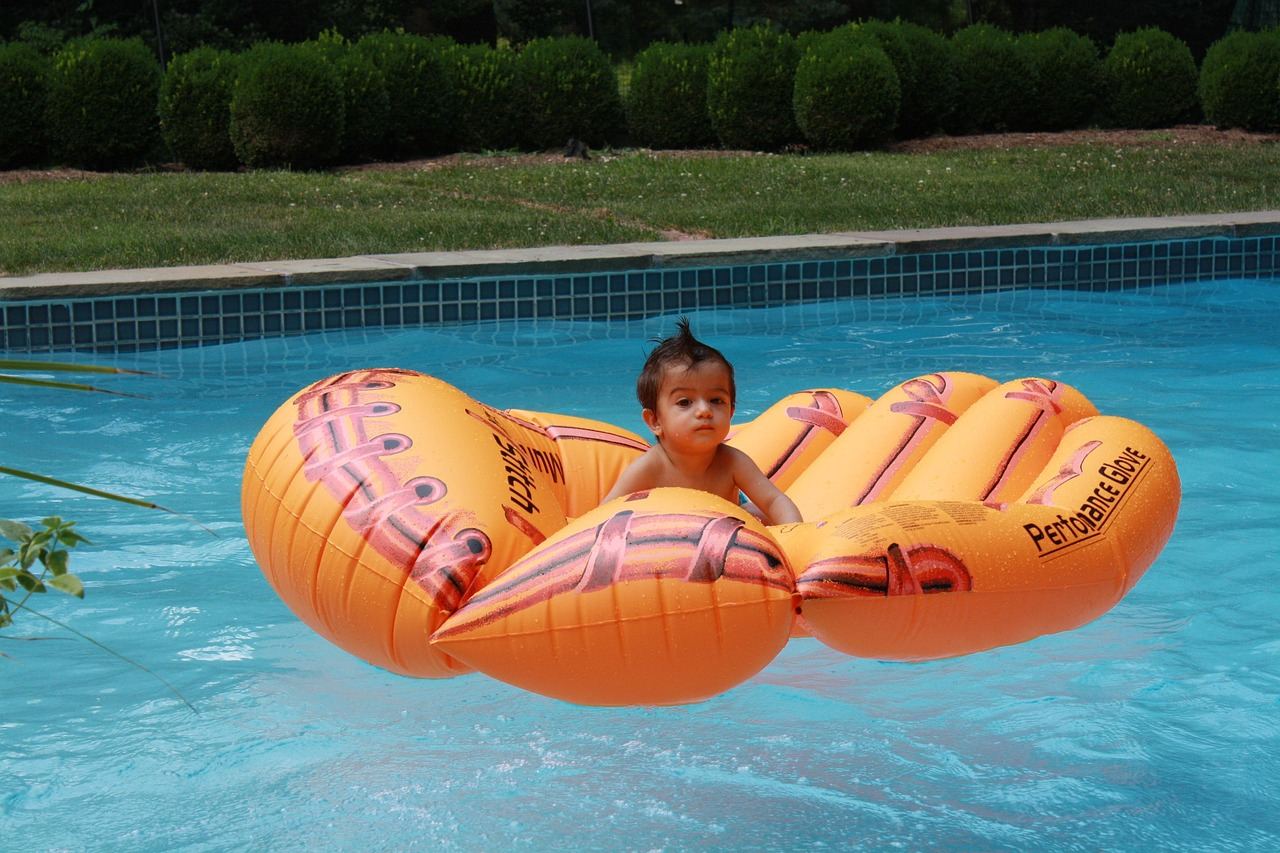
Flotation products are not a substitute for an adult. Stanford states that floatation devices are not a substitute for touch supervision, and it advises never using blow-up devices such as arm floaties or neck rings because they can deflate.
Swim lessons are one useful layer, not a guarantee. Stanford says children older than 1 year will benefit from lessons, while infants younger than 1 year are developmentally unable to learn the complex movements needed to swim. CHOP, for its part, advises you not to rely on personal flotation devices or swimming lessons to protect your child. Your pediatrician can help judge whether your toddler is ready.
Preparation also covers what happens if something goes wrong. Both hospitals recommend learning CPR, and Stanford notes that in drowning victims you start with rescue breaths before chest compressions. Keeping a phone and emergency numbers near the pool, as CHOP suggests, saves time when seconds count.
Frequently asked questions
How little water can a toddler drown in?
Show answer
According to CHOP, children can drown in just 1 inch of water. That includes buckets, bath tubs, wading pools, diaper pails and toilets.
Is a bath seat enough to keep my toddler safe in the tub?
Show answer
No. Stanford Medicine Children’s Health advises staying within arm’s reach and never leaving a child alone in the tub, even for a moment of distraction. It also says bath rings with suction cups do not meet U.S. safety standards.
Do swim lessons make a toddler safe around water?
Show answer
Lessons help, but they do not replace supervision. Stanford says children older than 1 year will benefit from them, and CHOP advises not relying on swimming lessons alone to protect your child.
Should a hot tub be covered?
Show answer
Yes. Stanford says hot tubs should be covered and locked when not in use. CHOP also lists hot tubs, spas and whirlpools among household water hazards.
What should I do with pet doors if I have a pool?
Show answer
Stanford suggests removing doggy doors and pet entrances so children cannot reach outside spaces unsupervised. Pair that step with fencing, door alarms and a designated water watcher.