Heading out and worried about what could go wrong? These kayaking safety tips come down to a few habits: wear your life jacket, dress for the water, check the weather, and tell someone your plan.
Kayaking is one part of the wider picture covered in these water safety tips.
| Item | Value |
|---|---|
| Fatal canoe and kayak accidents involving people without a life jacket | 85% |
| Body heat loss in cold water compared with dry conditions | About 25 times faster |
| Drinking water to plan for a full-day trip | At least three quarts |
| VHF channels listed for Coast Guard emergency information | Channel 16 or 9 |
| Float plan essentials | Four Ws |
These figures come from the Iowa DNR beginner’s guide to safer paddling and the Connecticut DEEP paddler checklists. Figures can change, so check the source before you rely on them.
Plan your kayaking trip before you leave
A float plan is a written statement of your intended trip, given to a relative, friend, neighbor or marina operator. According to the Pennsylvania Fish and Boat Commission, it should include specifics about the boat, equipment, crew, and departure and arrival times.
The Iowa DNR guide suggests keeping a basic plan on your phone and sending it to a friend every time you paddle. It builds the plan around the four Ws:
- Who: your name and the name of everyone paddling with you.
- What to do: a plan for what happens if you don’t return or check in as scheduled.
- Where: your planned put-in, takeout and paddling route.
- When: your estimated launch and return time, and when to notify authorities if you don’t check in.
The Connecticut DEEP checklists, whose content was last updated in December 2019, suggest working through a few points at home:
- Plan a route that suits the experience level of your group, and identify danger zones and emergency evacuation options.
- Write down emergency phone numbers and VHF radio channels.
- Listen to the local marine forecast for water temperature, wind, tide range and currents.
- Agree on how your group will make decisions, and who is in charge if there is danger.
Pace matters too. Connecticut DEEP advises paddling only to the ability of your slowest member, as set out on its checklist page, and the Pennsylvania commission says never to boat alone.
Gear that keeps you afloat and findable
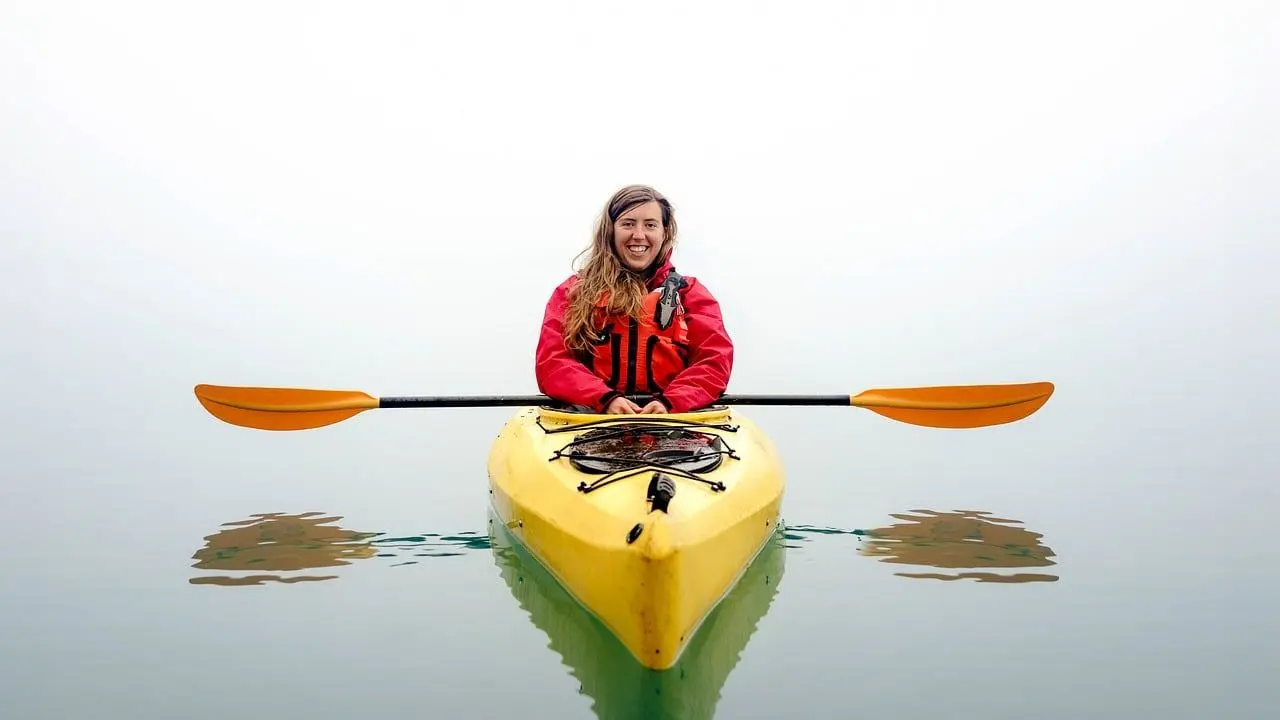
Your life jacket is the first item to settle. The Iowa DNR guide says 85% of fatal canoeing accidents and of kayaking fatalities involve people who were not wearing one. It should be snug and comfortable, and it should not lift up when pulled by the shoulders.
Washington State Parks calls wearing a life jacket your best defense against drowning. As of its post originally published March 16, 2026, it says the jacket should be U.S. Coast Guard approved and fit properly.
Signals and communication
Knowing how to call for help is part of the kit, not an extra. The same sources point to these items:
- A whistle, mirror and flares kept in a pocket of your life jacket, according to the Iowa DNR guide.
- A handheld VHF radio, with Channel 16 used for emergencies; Connecticut DEEP lists VHF Channel 16 or 9 for Coast Guard emergency information.
- A cell phone in a waterproof case, plus a friend who knows where you are.
- A Personal Locator Beacon, which relays your precise location to rescue agencies if you are in distress.
A basic equipment list
The Connecticut checklist for a basic trip includes a kayak with flotation bags or bulkheads, a spare paddle, a paddle float, a bilge pump or bailer, food and water, a first aid kit and a headlamp. It also lists dry bags, a repair kit and extra clothing layers. Its warning is blunt: no list can keep you safe, so you must be familiar with and practice safety and rescue techniques.
For drinking water, Connecticut DEEP says to plan on at least three quarts for a full-day trip. If you do not know how to use any of your equipment, get instruction before you set out.
Match the boat to the water. The Iowa DNR guide says most kayaks, canoes and SUPs are designed for protected waters and moderate currents, and that whitewater, surf and exposed lakes or ocean need specialized boats and additional training. It also warns not to go paddling if you should not be driving.
Dress for the water, not the air
Cold water is dangerous before you ever start to swim. Washington State Parks explains that your body automatically gasps and restricts blood flow to prevent heat loss in water less than 70 degrees, and that without a life jacket many drowning victims die within minutes of going overboard due to cold water shock.
The Iowa DNR guide adds that the human body loses heat about 25 times faster in cold water than when dry. It recommends avoiding cotton such as t-shirts and jeans, because cotton retains water and speeds cooling when wet.
Connecticut DEEP puts it simply: in cold weather, dress for water temperature rather than air temperature, and consider a wet suit or dry suit. The Iowa guide notes that children lose body heat faster than adults, and so do smaller adults compared with larger ones. Both points are on the Connecticut and Iowa pages cited above.
Read the weather, the water and other boats
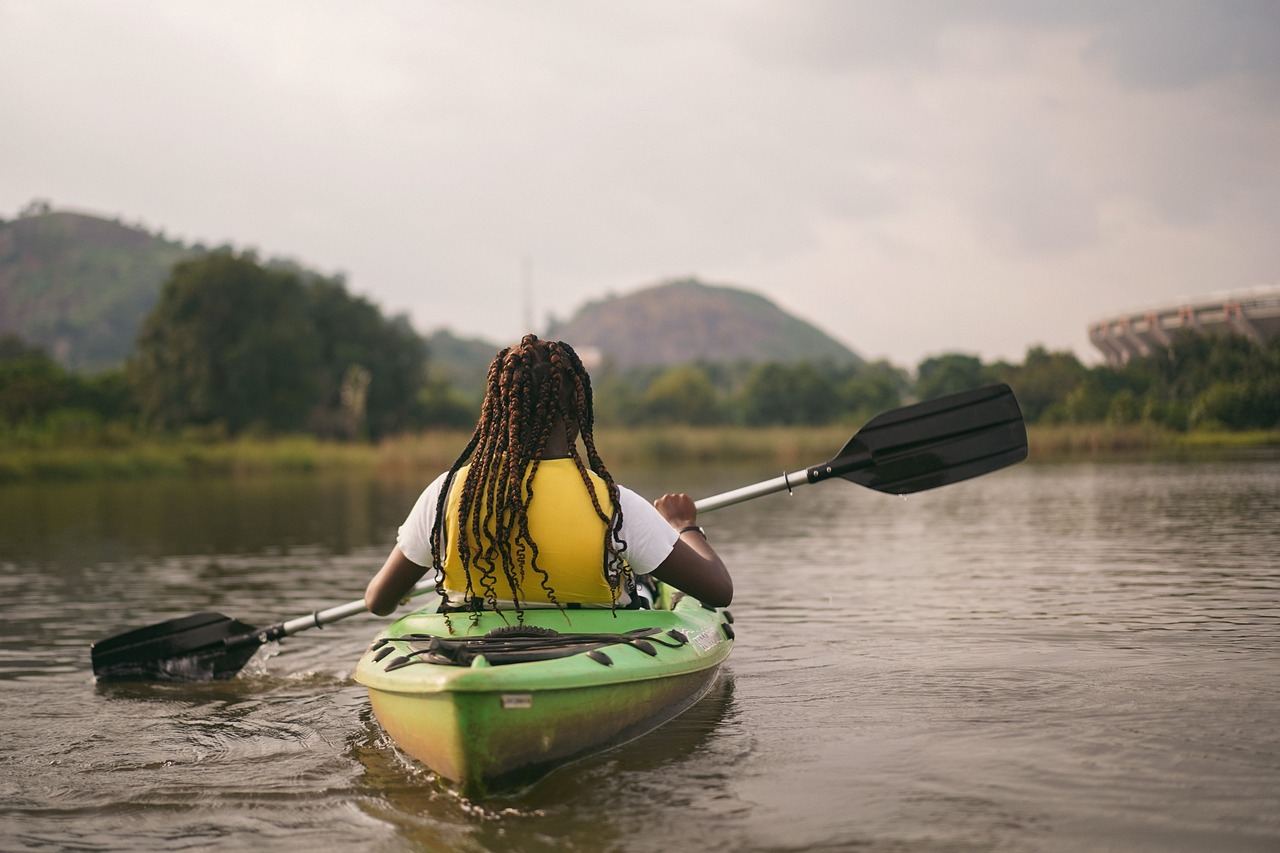
For paddlers, the Iowa DNR guide says air temperature matters less than wind speed and direction. It advises treating the forecast as the best case and keeping an exit strategy at all times, including knowing where the nearest safe landing is if a fast-moving thunderstorm appears.
If you sense a change for the worse, the same guide says to get off the water right away. Connecticut DEEP likewise tells groups to watch for incoming storms, because weather can change quickly.
On rivers, the Pennsylvania Fish and Boat Commission advises you to scout ahead whenever possible and never take your boat over a low-head dam. Carry (portage) your boat around water you are uncertain of. Its blunt test: if the water looks too hazardous to swim in, don’t go paddling.
Assume other boaters cannot see you. Both Connecticut DEEP and the Iowa guide recommend bright boats and life jackets, and Iowa adds never to assume that power boaters can see you.
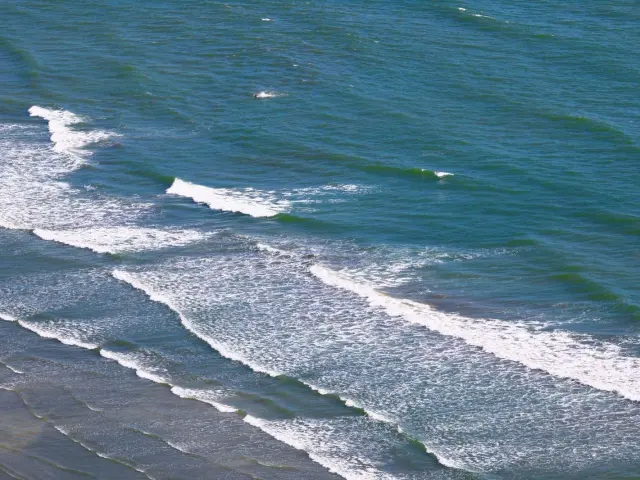
Coastal paddling adds tides and surf. Connecticut DEEP tells paddlers to keep track of wind-driven waves and tidal currents, and anyone heading to the ocean may also want to read about rip current safety before launching.
What should you do if you capsize?
The Pennsylvania commission says to be ready to get wet, but also to practice techniques that help you avoid going in. If you capsize, hold on to your boat unless that presents a life-threatening situation.
If you fall out in a current, keep your feet up on the surface and swim to shore. The same page recommends these habits to reduce the chance of a spill and of entrapment:
- Keep 3 points of contact and stay low when getting into or onto your craft.
- Kneel to increase your stability before entering rougher water, like a rapid.
- If you collide with an obstruction, lean toward it.
- Keep painter lines and other ropes coiled and secured, and never tie a rope to yourself or to another paddler, especially a child.
If someone else is in trouble, Washington State Parks offers a reach, throw, don’t go approach: reach with an oar or paddle, throw something that floats, and do not go into the water yourself.
Swimming and rescue habits are easier to build in calm, controlled water, and the basics in these pool safety rules are a useful companion to a paddling class.
Frequently asked questions
Do I need a life jacket if I can swim?
Show answer
Yes. Washington State Parks notes that anyone can become an unplanned swimmer, and the Iowa DNR guide reports that 85% of fatal canoeing and kayaking accidents involve people who were not wearing a life jacket.
Is it safe to kayak alone?
Show answer
The Pennsylvania Fish and Boat Commission’s safe-practice list says never to boat alone. If you do go out with others, Connecticut DEEP advises paddling to the ability of the slowest member.
How should I dress for cold water?
Show answer
Dress for the water temperature rather than the air temperature, and avoid cotton. Connecticut DEEP suggests considering a wet suit or dry suit in cold weather.
What should I tell someone before I go?
Show answer
Share a float plan: who is going, what to do if you do not check in, where you will paddle and when you expect to be back. The Pennsylvania commission describes it as a written statement of your intended trip.