Worried about getting caught in a rip current at the beach? Rip current safety comes down to this: stay calm, don’t fight the current, and swim parallel to shore until you’re free.
This guide sits within the wider set of water safety tips on this site.
| Key fact | Value |
|---|---|
| Drowning deaths associated with rip currents | About 100 per year (as cited in May 2013) |
| Share of surf beach lifeguard rescues | More than 80% |
| Average rip current speed | 1-2 feet per second |
| Fastest measured speed | 8 feet per second |
| Width of wider rip currents | More than 50 yards |
| Chance of drowning at a lifeguard-protected beach | 1 in 18 million |
The figures come from a National Weather Service leaflet and a May 2013 California Sea Grant post. Figures can change, so check the source before you rely on them.
What a rip current is, and what it is not
A rip current is a channelized current of water flowing away from shore at surf beaches, according to the National Weather Service leaflet. Rip currents typically form at breaks in sandbars, and also near structures such as jetties and piers.
They are not rare. The same leaflet says rip currents are commonly found on all surf beaches, including Great Lakes beaches, and a NOAA post from June 2011 says they can occur anywhere there are breaking waves.
They also dominate lifeguard work. Rip currents account for more than 80% of rescues performed by surf beach lifeguards, per the leaflet, and the 2011 NOAA post says America’s beach lifeguards rescue more than 50,000 swimmers from rip currents each year.
The human toll is harder to pin down. As of California Sea Grant’s May 2013 post, citing the United States Lifesaving Association, rip currents are associated with about 100 deaths from drowning each year, while the June 2011 NOAA post said more than 100 lives per year nationally. Treat both as rough, dated estimates.
The vocabulary matters too. Rip currents are sometimes mistakenly called undertow or riptides, and the leaflet says those terms are not correct. Rip currents do not pull people under the water; they pull people away from shore.
Why rip currents are so hard to swim against
Speed is the first problem. Average speeds are 1-2 feet per second, but rip currents have been measured as fast as 8 feet per second, faster than an Olympic swimmer, according to the leaflet. Speeds can also vary from moment to moment and can quickly increase to become dangerous to anyone entering the surf.
Size is the second. Rip currents can be very narrow or more than 50 yards wide, and some end just beyond the line of breaking waves while others may continue to flow hundreds of yards offshore, per the same leaflet. California Sea Grant adds that you should not panic if you do not escape right away.
They also form in many ways. California Sea Grant quotes a Johns Hopkins University coastal engineer as saying there are more than 21 different ways for a rip current to develop. One of the most common is waves and winds piling water up onto the beach, which then runs off through channels.
The real danger is often exhaustion. The Sea Grant post says drowning from exhaustion is a leading reason people die in rip currents, and its line is that rip currents don’t kill, panic does. The leaflet notes that even the strongest swimmer can be swept away from shore.
How to spot a rip current from the sand
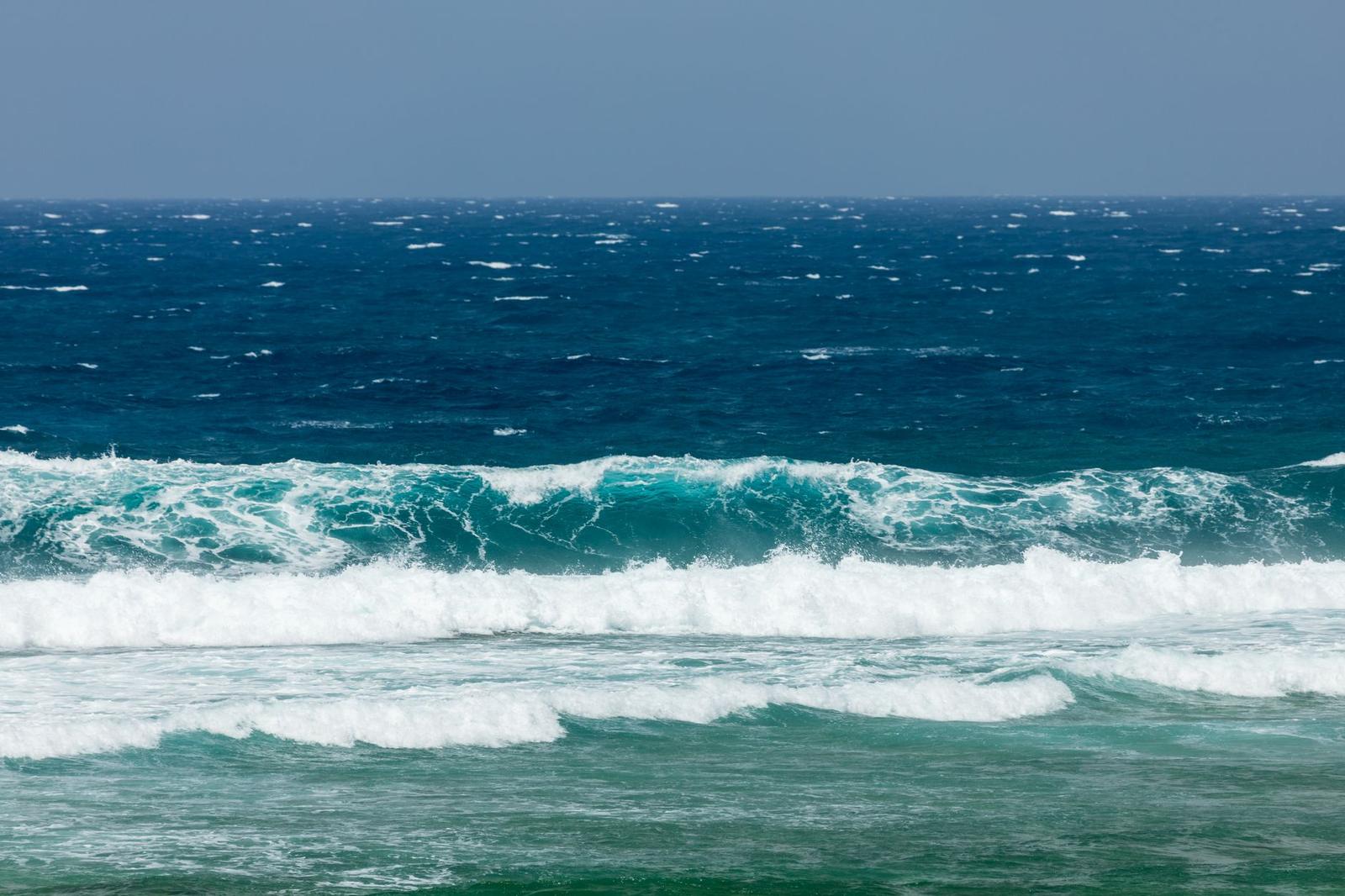
Spotting one is not always easy, but the National Weather Service leaflet lists several clues to look for:
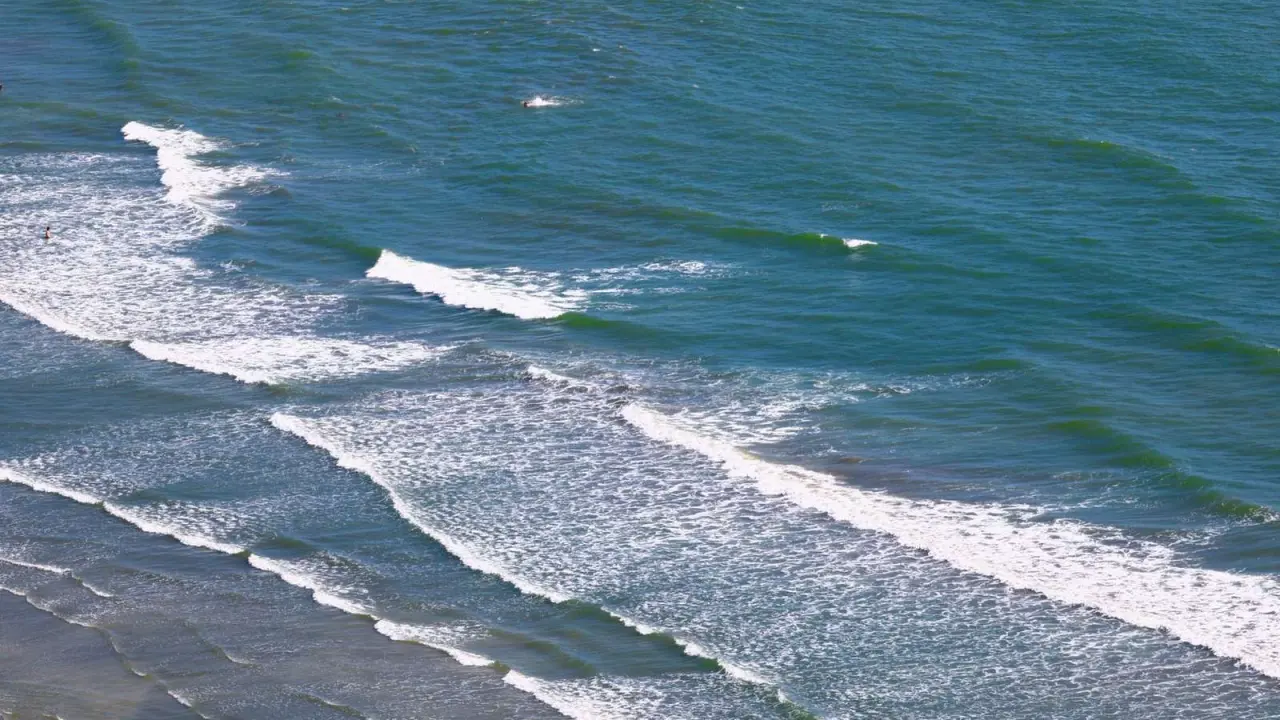
- A narrow gap of darker, seemingly calmer water between areas of breaking waves and whitewater.
- A channel of churning, choppy water.
- A line of foam, seaweed or debris moving seaward.
- A difference in water color.
- Sometimes, a plume of visible sediment moving away from shore.
California Sea Grant warns that calm water can be deceiving, since rip currents often form in deeper channels between areas of breaking waves. Its advice is to look for a break in the incoming wave pattern.
What should you do if a rip current catches you?
Lifeguards say to think of a rip current as a treadmill that you can’t turn off, according to California Sea Grant. The goal is to step off it sideways, not to outswim it.
- Stay calm and yell for help if you can. Don’t swim against the current, because it will just tire you out, per the NOAA post.
- Escape by swimming in a direction following the shoreline, as the North Carolina Sea Grant brochure advises. The Weather Service leaflet adds that swimming toward breaking waves may also work.
- Once you are free of the current, swim at an angle toward the beach.
- If you can’t swim out of it, float or tread water. Rip currents often set up a circulation pattern that returns you toward shore.
- If you feel you won’t reach shore, face the shore and call or wave for help.
Most rip currents are narrow, so swimming parallel to the beach usually gets you out of the pull faster than you might expect. If it doesn’t, floating buys time while the current weakens or circulates back.
How can you help someone else safely?
Good intentions can turn a rescue into a second emergency. The North Carolina Sea Grant brochure warns that many people have died in efforts to rescue rip current victims, so don’t become a victim yourself.
- Get help from a lifeguard.
- If a lifeguard is not present, call 9-1-1, then try to direct the victim to swim following the shoreline to escape, per the leaflet.
- If possible, throw the victim something that floats.
- Never enter the water without a flotation device.
Before you go: choosing where and when to swim
A surf zone forecast is a good first check. The June 2011 NOAA post says the National Weather Service issues rip current outlooks for different coastal areas, and that rip currents are strongest at low tide.
These habits come straight from the sources:
- Swim near a lifeguard and ask about the day’s surf conditions.
- Never swim alone; swim with a buddy.
- Know how to swim, and if you are in doubt, don’t go out.
- Avoid jetties, piers and groins, since these hard structures often set up permanent rip currents, per California Sea Grant.
- Skip steeply sloped beaches or high surf, as rip currents are usually stronger when the surf is big.
For younger swimmers, California Sea Grant says the best beaches are wide, flat, protected sandy beaches with little exposure to swells. The same post gives the chance of drowning at a beach protected by lifeguards affiliated with the United States Lifesaving Association as 1 in 18 million.
Posted signs and flags are part of the picture as well. The NOAA post advises you to observe and obey them, and the page on the beach flag warning system goes deeper on how flags work.
If you paddle rather than swim, the kayaking safety tips page covers a different set of on-water risks. As of California Sea Grant’s May 2013 post, Sea Grant programs and NOAA designate the first full week of every June as Rip Current Awareness Week.
Frequently asked questions
Is a rip current the same as a riptide or undertow?
Show answer
No. The National Weather Service leaflet says rip currents are sometimes mistakenly called undertow or riptides, and that those terms are not correct.
Can a rip current pull me under the water?
Show answer
No. The pull is outward, toward open water, rather than downward. The leaflet’s advice is to relax, because the current itself won’t take you under.
Which way should I swim to get out of a rip current?
Show answer
Swim in a direction following the shoreline, parallel to the beach, until you are free of the current. The Weather Service leaflet adds that swimming toward breaking waves may also work, then swim at an angle toward the beach.
What if I cannot swim out of it?
Show answer
Float or tread water and stay calm. If at any time you feel you will be unable to reach shore, draw attention to yourself: face the shore and call or wave for help.
Do rip currents only happen at ocean beaches?
Show answer
No. The sources say rip currents can occur anywhere there are breaking waves, including the Great Lakes.