Heading for a lake, river or the sea? The best open water swimming safety tips: swim with others, wear a tow float or life jacket, and respect cold water.
This guide sits within a wider collection of water safety tips, and it focuses on lakes, rivers, canals and the sea.
| Key fact | Value |
|---|---|
| Cold water effects start to be felt at | 77°F |
| Swimming below this temperature lowers body temperature and can lead to cold shock | 70°F |
| Some national park waters stay below this temperature even in July | 50°F |
| Children who drowned in UK inland open water over the period reported | 51 children in four years |
| Of those, children who drowned in 2022-23 | 20 children |
These figures come from the National Park Service and the Met Office, and they can change, so check the source before you rely on them.
Why open water is not just a bigger pool
The National Park Service describes natural water as streams, rivers, lakes and oceans, whether they formed naturally or were made by people, for example by damming a river. It says plainly that natural water is very different from swimming pools, and it makes the point on its water hazards page, last updated May 3, 2024.
The Met Office, passing on advice from the Royal Life Saving Society UK, reports that 51 children drowned in inland open water such as rivers, lakes and canals in the last four years of its reporting period, including 20 in 2022-23. Its open water swimming page lists the hidden dangers behind those figures:
- deep and very cold water, even during warm weather;
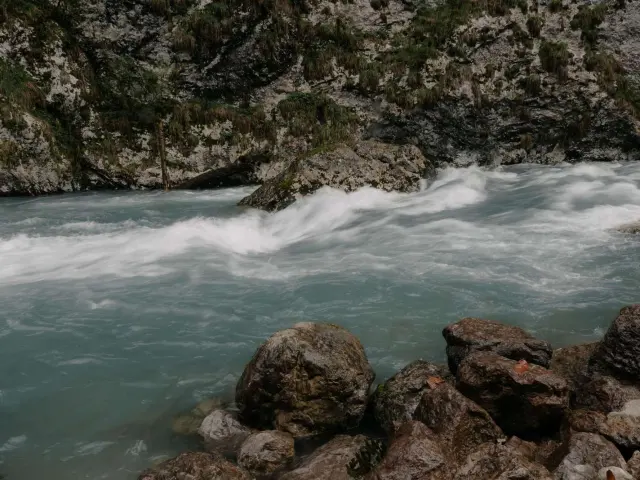
- strong currents that can challenge the strongest swimmers;
- objects hidden under the surface;
- steep and slippery banks that make it hard to get out;
- poor water quality, such as toxic algal blooms and industrial or agricultural pollution.
How does cold water affect your body?
Water feels very different from air at the same temperature. The National Park Service says you can feel the effects of cold water starting at 77°F, and that swimming in water colder than 70°F lowers your body temperature and can lead to cold shock. Some park waters stay below 50°F even in July, according to its water hazards guidance.
Cold water shock is the body’s automatic reaction to a sudden change in skin temperature. Outdoor Swimmer magazine explains that it causes a sharp intake of breath, faster breathing and higher blood pressure, and that it typically lasts up to a couple of minutes. Its advice is to enter slowly and keep your face clear until your breathing is under control.
Cold also brings swim failure. To protect the core, the body restricts blood flow to the limbs, and if this goes far enough the arms and legs stop working properly, so the magazine advises getting out if you feel yourself slowing down.
For colder water, the same guide describes 5 to 10 degrees Celsius as typical of lakes and rivers in early spring. It says that range is not recommended for anything other than very short swims of 5 to 10 minutes unless you are very experienced.
The cooling does not stop when you leave the water. The magazine calls this after drop: your core keeps cooling, which is why shivering often starts a few minutes after you finish. Dress straight away, starting with the top half of your body, and have a warm, non-alcoholic drink.
What hazards hide in lakes, rivers and the sea?
The National Park Service lists several hazards that catch out even experienced swimmers. They are worth knowing before you get in, and each one is covered on its water hazards page.
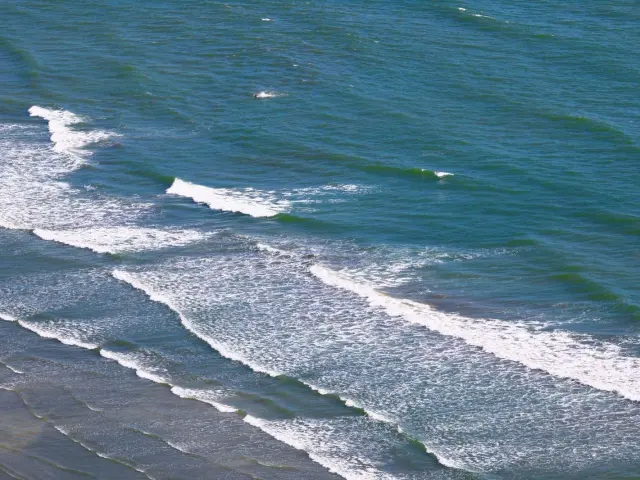
- Currents: some are visible, such as waves, but rip currents and fast river flow beneath a calm surface are hard to see. They can tire you out and carry you away from shore.
- Distance: the far shore or a rock in the middle of a lake is further than it looks. The advice is to stay close to shore and not swim to formations or the opposite bank.
- Depth: the bottom can drop away suddenly, leaving you unable to touch the ground. Depths above chin level can be dangerous for inexperienced swimmers.
- Underwater hazards: fallen trees, plants and large rocks can entangle you, and hidden shallows make diving or jumping risky for serious injury.
If a current gets hold of you, the park service says not to fight it. In a rip current, swim parallel to shore, and in a strong river current, swim across it to reach the bank.
Rivers add their own risks, such as fast flow, cold and hidden snags, which are explored further in this guide to river swimming safety.
Which gear helps most?
The National Park Service says to wear a life jacket whenever you are in, on or around natural water. For boating, the choice and fit of one is covered in a separate guide on boating safety life jackets.
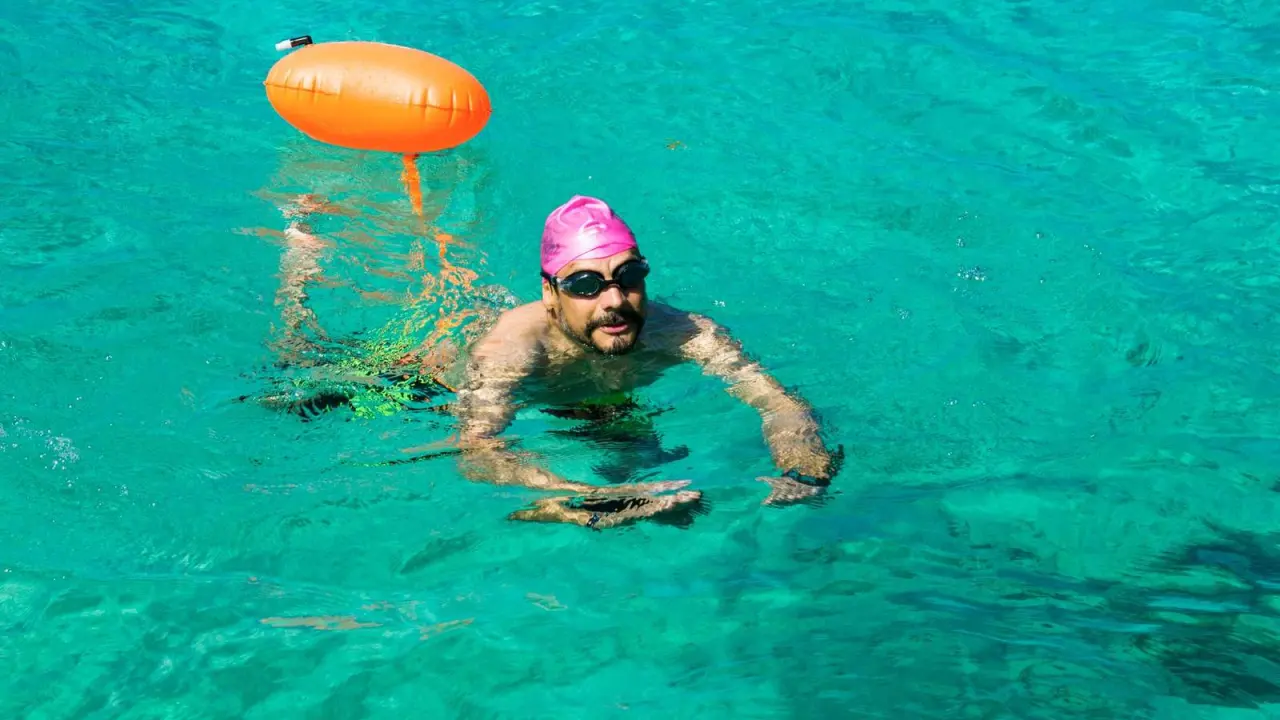
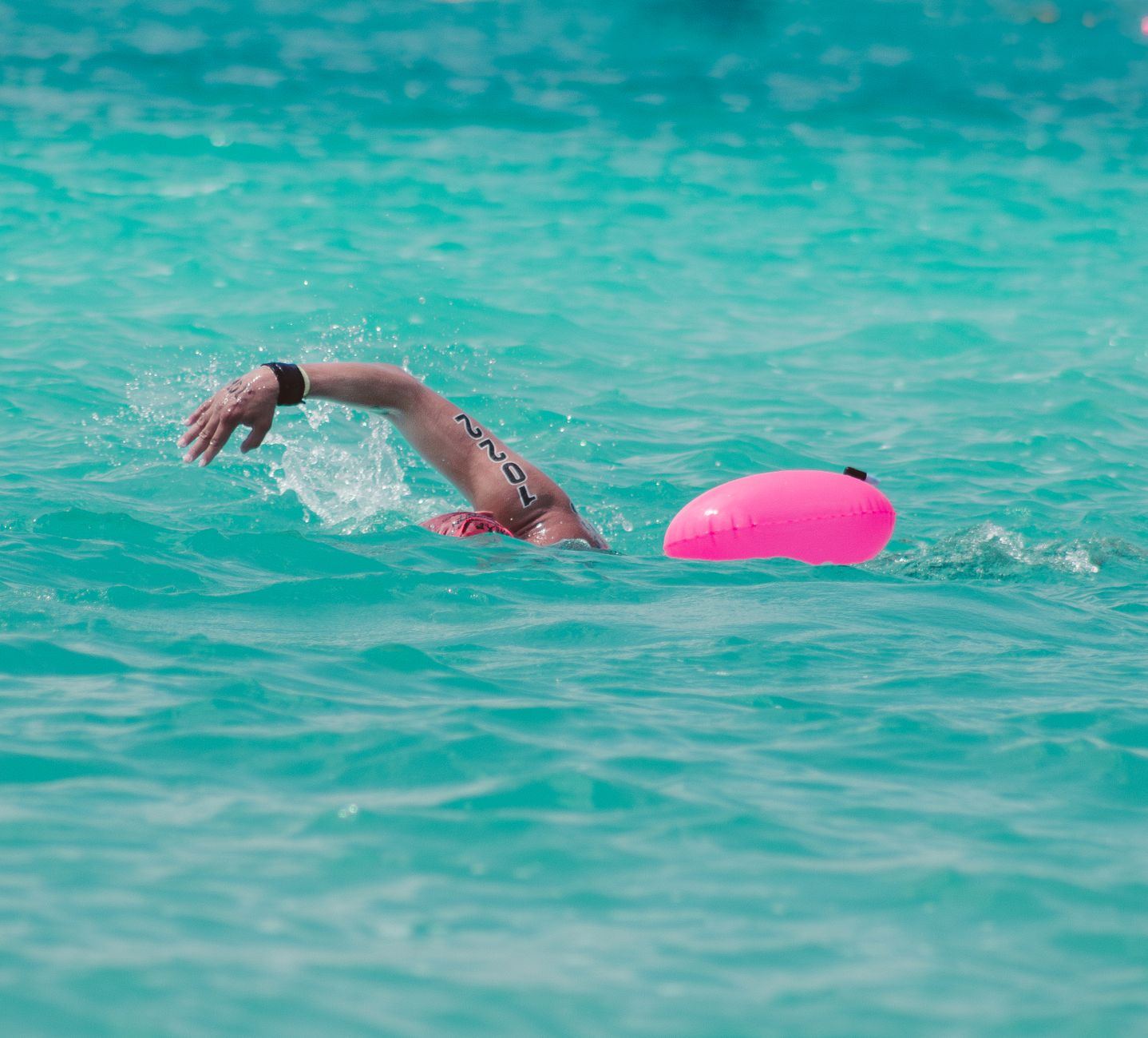
For swimming itself, the Met Office page quoting RLSS UK recommends a wetsuit, a tow float or, ideally, both. Wetsuits keep you warmer and add some buoyancy, while tow floats add buoyancy and visibility and can hold a phone in a waterproof space.
A wetsuit has limits, though. Outdoor Swimmer notes that it will not prevent cold water shock or stop hypothermia, but it helps you stay warmer for much longer and keeps you afloat.
Other items worth packing:
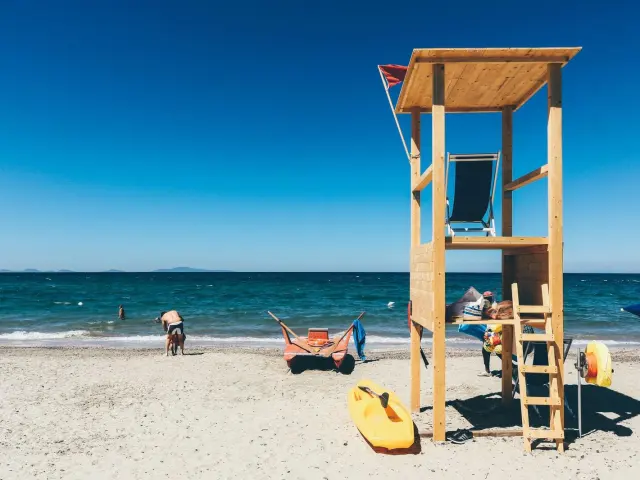
- a brightly coloured swimming hat, so other swimmers and lifeguards can see you;
- plenty of warm clothes and a hot drink for afterwards;
- a plan to walk or move after your swim, which the Met Office page calls one of the best ways to warm back up.
Open water swimming safety: planning and when not to go
Most of the preparation happens before you reach the water. A simple routine, drawn from the Met Office and Outdoor Swimmer advice, looks like this:
- Choose a lifeguarded venue where possible, and ask local staff about warnings.
- Check the weather, water temperature, water quality and tide times.
- Research the best exit points before you enter.
- Go with other people, ideally those who know the area, and tell someone at home where you are and when you expect to be back.
- Skip alcohol, enter slowly and keep your swim within your limits.
Know when not to swim. The Met Office page warns that storms, heavy rain and strong winds raise the risk of lightning, strong currents and rough water, and that water that looks or smells unusual is a reason not to go in.
Outdoor Swimmer also points readers to the Rivers Trust Sewage Map for recent sewage spill alerts, as one example of a tool for checking water quality.
What should you do if you get into trouble?
If you find yourself in difficulty, Outdoor Swimmer gives a short instruction: float to live. The Met Office page adds that families should practise the floating position whenever possible.
Watch for the signs that it is time to leave. The Met Office lists shivering, feeling weak or disorientated, taking in water and shortness of breath as signals to exit as soon as possible.
If someone else is struggling, do not put yourself at risk. Call for help instead, using your local emergency number. For children and weaker swimmers, the park service suggests naming a Water Watcher to supervise them, even in lifeguarded areas.
Frequently asked questions
Is it safe to swim alone in open water?
Show answer
The sources advise against it. The Met Office page says going together is safer because someone can help in an emergency, and Outdoor Swimmer says to always swim with other people.
Do I need a wetsuit for open water swimming?
Show answer
The Met Office page, quoting RLSS UK, says to wear a wetsuit, a tow float or ideally both. Outdoor Swimmer adds that a wetsuit helps you stay warmer but does not prevent cold water shock or hypothermia.
What should I do if I am caught in a rip current?
Show answer
The National Park Service says not to fight the current. Swim parallel to shore, and wear a life jacket whenever you are in natural water.
Why does water feel so cold on a hot day?
Show answer
Your body does not experience water temperature the way it experiences air temperature. The National Park Service says effects of cold water can start at 77°F and that swimming below 70°F can lead to cold shock.