You want a cool dip without a nasty surprise. Lake swimming safety comes down to a few habits: wear a life jacket, enter slowly, stay close to shore, and name a water watcher for children.
This guide sits within the site’s water safety tips series on preventing drowning.
| Item | Value |
|---|---|
| Water temperature where cold effects begin | 77°F |
| Water temperature where cold shock becomes a risk | Below 70°F |
| Some park waters, even in July | Below 50°F |
| Time before cold water weakens your limbs | About two minutes |
| Protection window for someone in a flotation device | About 30 minutes |
These figures come from the National Park Service water hazards page (last updated May 3, 2024) and a National Geographic report published May 19, 2023. Figures can change, so check the source before you rely on them.
Why a lake is not a bigger swimming pool
The National Park Service groups streams, rivers, lakes and oceans under the term natural water, which includes man-made lakes formed by dams. It stresses that natural water is very different from a pool, as its water hazards page explains.
A pool slopes gently and you can see the bottom. A lake often does neither. Uneven bottoms, ledges or holes can suddenly leave you unable to touch the ground, and depths above chin level are dangerous for inexperienced swimmers and non-swimmers.
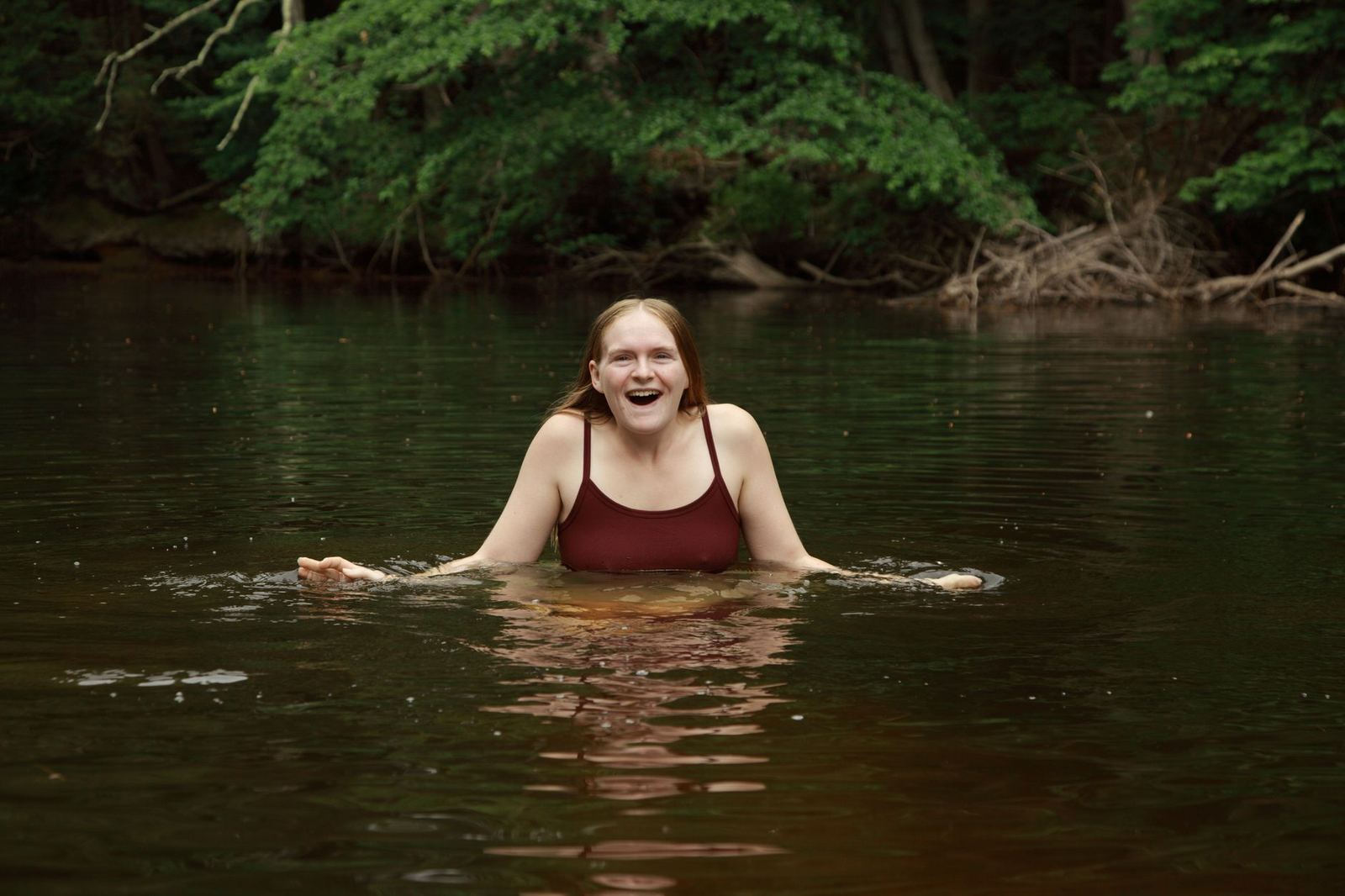
Because most lake water is not clear, you usually cannot judge any of this from the shore. That is why a few simple rules matter more than swimming skill alone.
Why does cold water catch strong swimmers out?
Warm air tells you very little about the water. National Geographic reported that during a Pacific Northwest heat wave, air temperatures topped 90 degrees Fahrenheit in some places while natural bodies of water measured closer to 40 or 50 degrees.
The danger is cold shock, which prompts reflexive gasping and hyperventilation. If your head goes under, that gasp can fill your lungs with water. After about two minutes you start to lose muscle control in your limbs, so you cannot rescue yourself.
The National Park Service says you can feel the effects of cold water from 77°F, and that swimming below 70°F lowers your body temperature and can lead to cold shock (National Park Service). It adds that some park waters stay below 50°F even in July.
A life jacket changes the odds. National Geographic notes that a flotation device keeps your head above water while the gasping passes, and protects you for the 30 minutes it may take body temperature to fall below 95 degrees. One researcher it quotes says you would be lucky to live long enough to die of hypothermia without one.
Ways to reduce the shock:
- Check the water temperature before you enter.
- Wade in slowly and keep your head out of the water at first.
- Wear a wet suit or dry suit if you will be in for a while, and limit your time in the water.
- Avoid jumping in, because an abrupt entry means you are not acclimatised and risk cold-water shock, according to a lifeguard operations manager quoted by The Star.
What lurks below the surface
Murky water hides underwater hazards. The National Park Service lists fallen trees, grasses and large rocks, any of which can entangle you and keep you from swimming back to shore. Sandbars, trees and rocks can also create unexpected shallows, and diving or jumping in those areas can cause serious injuries (National Park Service).
The bottom itself can be a problem. A Minnesota water patrol sergeant told CBS News Minnesota that mucky and sandy bottoms can hold you down and suck you in, and that you may not be able to raise your legs.
Weeds are another trap. The same report says vegetation can tangle in your legs, and experts suggest staying calm to slowly untangle yourself rather than frantically kicking. Panic leads to over-exertion, and you tire quickly.
Distance, currents and the far shore
A rock formation or opposite shore looks close, but the distance across water is deceptive. You may meet currents and waves on the way, and even experienced swimmers tire and cannot swim back. The National Park Service advises staying close to shore and not swimming to rocks or other formations in the middle of the water or to the opposite shore (National Park Service).
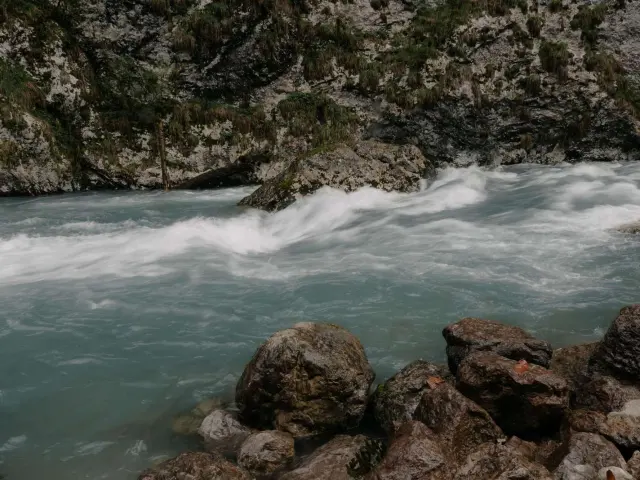
Lakes can have currents too, and some are hard to see. If one catches you, do not fight it. Swim parallel to shore if it is a rip current, and across the flow if it is a strong river-style current.
A simple routine for every swim
You can build the advice above into a short routine:
- Check the weather and water conditions, and ask a ranger or lifeguard where to swim if one is present.
- Put on a life jacket, especially for children and weaker swimmers.
- Name a Water Watcher to supervise children, inexperienced swimmers and non-swimmers, even in lifeguarded areas.
- Know where you will leave the water before you get in, and stay with your group.
- Enter slowly from a safe place rather than jumping.
- Stay close to shore and get out if you feel cold or tired.
For very small children, the lifeguard quoted by The Star advises staying within an arm’s length so you can always reach them.
Coastal swimming uses a different warning language, which the beach flag warning system guide covers. Moving water brings its own risks, which are explained in the guide to river swimming safety.
If you or someone else gets into trouble
If you struggle, the safety message from the lifeguard quoted by The Star is to float. Put your head back, get your ears in the water and get as flat as you can. This keeps your airway above water, lets your breathing settle and saves energy while you wait for help.
If you see someone else in difficulty, call emergency services first. A struggling person may grab, fight and pull a rescuer under, which is why the Hennepin County water patrol teaches the motto Reach, Throw, and Go.
- Reach with a pole or rope for the person to grab.
- Throw something that floats, such as a buoy, a life jacket or a floatable cooler.
- Go into the water only as a last resort.
Frequently asked questions
Can a strong swimmer skip the life jacket in a lake?
Show answer
Strong swimmers are not exempt. The National Park Service says currents are difficult to swim in even for experienced swimmers, and cold shock can affect them too, so it advises always wearing a life jacket.
Does a hot day mean the lake is warm?
Show answer
No. Air and water feel very different to your body. In the heat wave National Geographic described, the air was far warmer than the water, which measured closer to 40 or 50 degrees.
What should I do if weeds wrap around my legs?
Show answer
Stay calm and slowly untangle yourself. Experts quoted by CBS News Minnesota warn that frantic kicking and panic lead to exhaustion.
Is it safe to jump into a lake from a rock or dock?
Show answer
It carries risk. Murky water hides rocks, branches and shallow spots, and the National Park Service warns that diving or jumping into unexpected shallows can cause serious injuries. Entering slowly, as a lifeguard quoted by The Star advises, lowers the chance of injury.